
VA Appraisal Vs. Home Inspection: a Michigan Veteran’s Guide
By Michigan’s choice, Michigan’s Choice
Protect Your Michigan VA Purchase Beyond the Appraisal
A VA appraisal can bring welcome confidence when you are buying a home with a VA-backed loan. Still, the appraisal is not designed to give you a complete picture of the home’s condition. A VA appraisal helps support the loan by confirming a reasonable value and identifying obvious concerns tied to VA minimum property requirements.
An independent home inspection serves a different purpose. We look closely at accessible major systems and visible conditions that could affect your safety, repair plans, and budget after closing. Before you finalize a purchase, it helps to know what the VA appraisal reviews, what it may not catch, and why a professional inspection remains a smart step.
VA Appraisal Vs. Home Inspection: Know The Difference
For most VA-backed loans, the VA requires an appraisal by a VA-assigned appraiser. The appraiser’s job is to determine whether the property appears to support the purchase price and whether readily visible conditions raise concerns under VA minimum property requirements.
A home inspection is optional from the VA’s point of view, but we strongly recommend one. During an inspection, we evaluate accessible components and report visible defects, safety concerns, maintenance issues, and conditions that may need a licensed specialist’s attention.
The VA appraisal vs. home inspection distinction is simple: one supports the loan, while the other supports your buying decision. An appraisal is not a pass-or-fail inspection report, and the appraiser is not responsible for finding every defect or predicting how long a system will last.
An appraiser does not perform an in-depth evaluation of items such as:
- Roof materials and attic conditions
- Furnaces, air conditioning equipment, and appliances
- Plumbing fixtures, visible piping, and sewer lines
- Electrical panels, outlets, and wiring conditions
- Foundation details, drainage, and basement moisture history
Even if a system is operating on appraisal day, it may still be aging, poorly maintained, or near the point where repairs are needed. We help you identify those observed concerns before they become your responsibility.
Understand VA Property Requirements
VA minimum property requirements and handbook guidance can change, so buyers should confirm current information directly through VA.gov and the current VA Lender’s Handbook before relying on any checklist.
The important takeaway is that an appraisal has a limited purpose. The VA appraisal process is not a complete condition assessment, which makes an independent inspection important for understanding visible concerns beyond the appraisal review.
Many buyers search for VA loan inspection requirements and assume the VA requires a whole-home inspection. It does not. The VA generally requires an appraisal for the loan, while a buyer decides whether to order a separate home inspection. Your lender may also request additional information or repairs in some situations, but those requests do not replace a full independent inspection.
Appraisers may still identify visible conditions that affect:
- Safety
- Structural soundness
- Sanitation
- Marketability
- The property’s apparent ability to meet VA standards
Those observations matter, but the review is still limited. A professional inspection gives you more time and detail to understand the home before your inspection contingency deadline passes.
See What an Independent Inspection Can Uncover
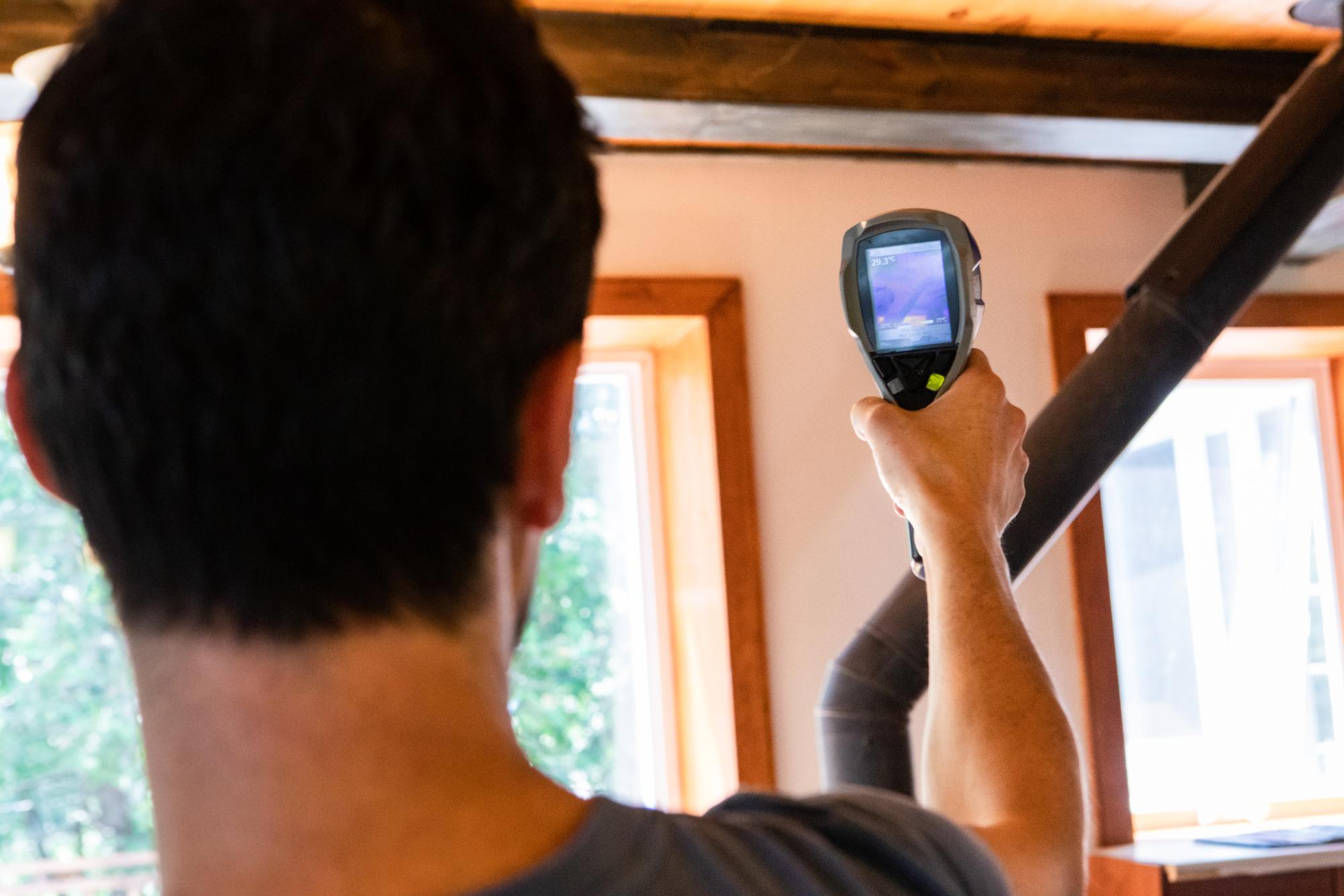
Southeast Michigan homes can face a lot over the years, including changing weather, snow, rain, moisture, and deferred maintenance. During an inspection, we assess accessible roof components, heating and cooling equipment, plumbing fixtures and visible piping, electrical panels, foundations, basements, attics, insulation, exterior drainage, and other major systems.
Our findings can point to concerns that may not be part of an appraisal review. For example, we may report an older furnace that is still operating but shows visible wear, evidence of past basement moisture, poor grading near the foundation, deteriorated roof materials, plumbing leaks, or electrical safety concerns. We report what we observe at the property, rather than promising future performance.
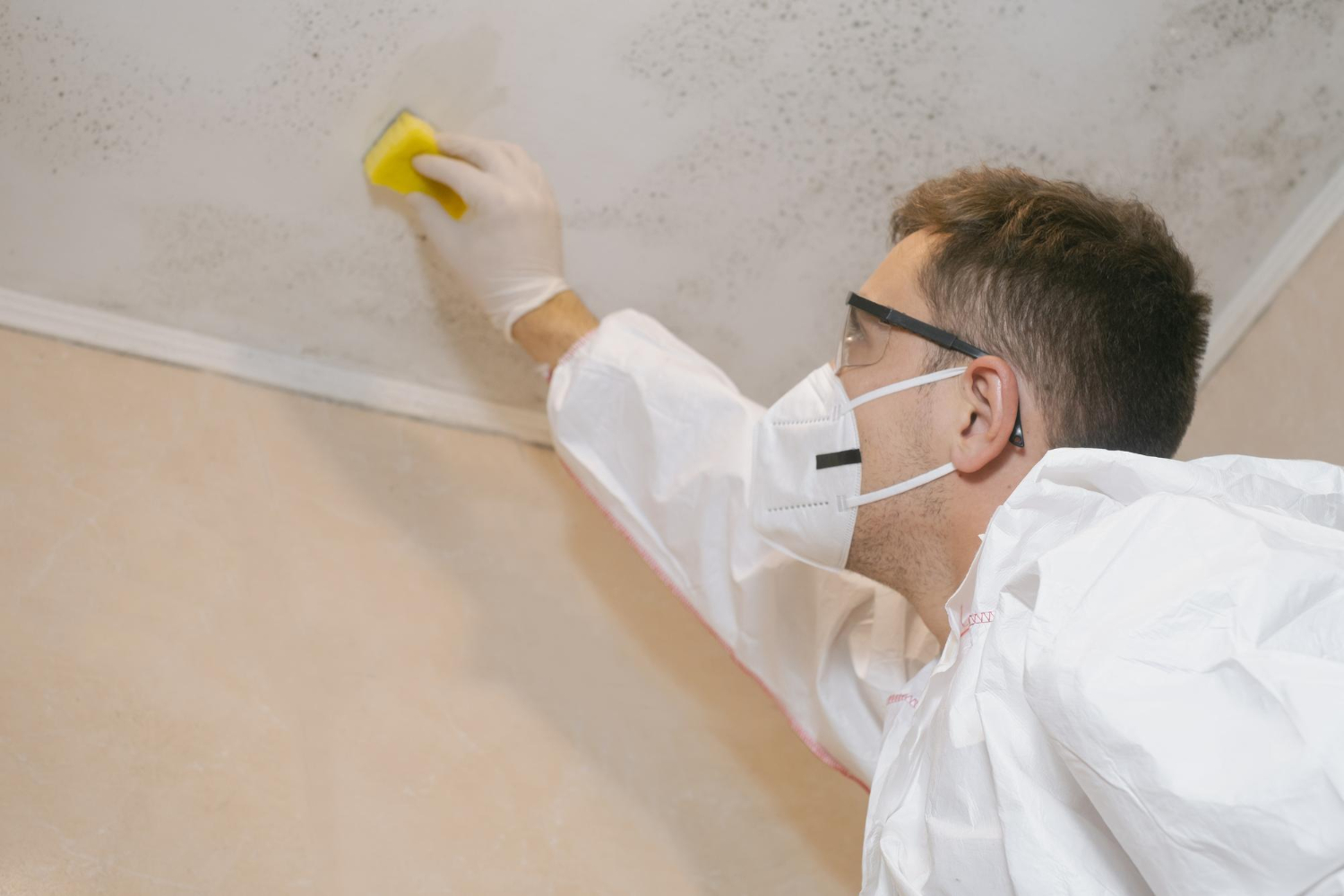
At Michigans Choice Inspection Services, we provide unbiased residential and commercial inspections along with mold, radon, and sewer line inspection services. These added services can be helpful when the home’s age, condition, or visible findings call for a closer look. A radon test may make sense when recent results are not available. A sewer scope can be especially useful for older homes or properties with mature trees. When moisture staining or musty odors are present, mold testing may help clarify the next steps.
A complete inspection report gives you useful information for repair discussions, specialist evaluations, and realistic planning after you move in.
Use a September Inspection to Prepare for Winter
Early fall is a practical time to look closely at a Michigan home’s readiness for colder weather. Freezing temperatures, snow, ice, and heavy rain can expose problems with heating, roofing, drainage, insulation, and basements. If you are buying in September, an inspection can help you spot concerns before winter conditions make repairs more urgent or harder to schedule.
During a fall home purchase, we recommend paying close attention to:
- The furnace’s age, visible condition, and available heat during the inspection
- Roof wear, gutters, chimney areas, flashing, and signs of past ice damming
- Sump pump operation and water movement around the foundation
- Attic insulation, ventilation, windows, and exterior openings
- Basement moisture staining, water intrusion, and drainage concerns
Some issues are easier to see during certain weather conditions, while others may require follow-up from a qualified contractor. For instance, a dry basement on inspection day does not erase signs of earlier moisture problems, and an operating furnace does not guarantee trouble-free performance through the winter.
Once your purchase agreement is accepted, schedule the inspection as early as possible and before the inspection contingency deadline. Review the report promptly, focus first on material defects and safety items, and seek specialist evaluations when the findings warrant them. Your real estate professional can then help you discuss repair requests or credits before you commit.
Make Your Decision with More Than an Appraisal
The VA appraisal supports the loan, but an independent inspection protects your decision. VA appraisal vs. home inspection is not an either-or choice. If you are using a VA loan, expect the appraisal and choose an inspection to gain a fuller understanding of the property’s visible condition.
A timely inspection can help you recognize safety concerns, plan for needed repairs, and decide whether added radon, mold, or sewer line services are appropriate. Taking these steps before the inspection deadline can help you move forward with clearer expectations, especially before a Michigan winter.
Gain Confidence Before Your Deadline
At Michigans Choice, we help veterans understand the practical differences in a VA appraisal vs. inspection so they can prepare for the next stage of their purchase. Our home inspections provide an objective look at the property’s condition and help identify concerns that may affect your plans. To discuss scheduling an inspection, contact us today.