
Detroit Rental Certificate of Compliance Inspection Guide
By Michigan’s choice, Michigan’s Choice
Detroit landlords and investors need more than a clean-looking property to keep rent coming in. A Detroit certificate of compliance is part of the City of Detroit’s process for qualifying rental properties, and missed steps can lead to delays, correction work, and a longer vacancy between tenants.
We recommend treating compliance as part of your regular rental plan, especially during fall turnover season. Detroit’s requirements have changed, including ordinance amendments in 2024, so you should confirm current forms, deadlines, exemptions, lead rules, fees, and inspection procedures through the City of Detroit before taking action.
Keep Detroit Rentals Compliant and Earning
The City of Detroit conducts the official rental process and decides whether a property receives a Detroit certificate of compliance. This is not an optional private inspection report, and it should not be overlooked after you buy a property or complete a renovation.
Owners who should pay close attention include single-family rental owners, small multifamily landlords, portfolio investors, out-of-state owners, and sellers whose buyers may use the property as a rental. We recommend verifying whether your specific property is covered because eligibility can depend on property type, occupancy, ownership setup, and intended rental use.
City rental compliance may include rental registration, a Detroit rental inspection, correction of listed issues, and lead-related documents or clearance when required. A home may look updated and still need city-required steps before it is truly rental-ready.
Fall is a practical time to prepare. Weather shifts can expose water intrusion, heating concerns, loose exterior materials, or unsafe steps that may be easier to address before winter arrives.
Understand the Certificate of Compliance Process
Think of the certificate as a part of operating a qualifying rental legally in Detroit, not a one-time document that stays in the background forever. The city’s current rules determine what is required, how documents are submitted, and when inspections or re-inspections take place.
Before advertising a vacant home, we suggest confirming the city’s current requirements rather than relying on an old checklist from an investor group, social media post, or previous owner. Department names, application steps, documentation requirements, inspection order, and fee schedules can change.
Your property file should stay organized from the beginning. Keep copies of:
- Registration submissions and payment confirmations
- City emails, notices, and inspection appointments
- Correction lists and invoices from qualified repair professionals
- Lead-clearance records or other requested documents
- Final city paperwork related to the rental’s compliance status
For owners with several rentals, a repeatable tracking system can help prevent missed renewals, overlooked notices, and last-minute surprises during tenant turnover.
Complete BSEED Rental Registration First
BSEED rental registration is an early step that landlords should confirm before expecting to move through the city’s rental compliance process. Accurate information matters. Ownership records, property addresses, unit counts, contact details, and responsible-party information should match the records and documents you submit.
Gather what the current city application asks for before you begin. Depending on the property and the city’s latest process, that may include proof of ownership or management authority, unit details, owner contact information, and tenant occupancy information when applicable.
Detroit’s rental compliance process may involve fees. Because fees and what they cover may change, confirm the exact current amount, any added charges, and payment instructions directly with the city before you submit an application.
Keeping a complete file makes future work easier. We often see that owners who save every confirmation, notice, repair record, and clearance document have a clearer path when a question comes up later.
Prepare for the Detroit Rental Inspection
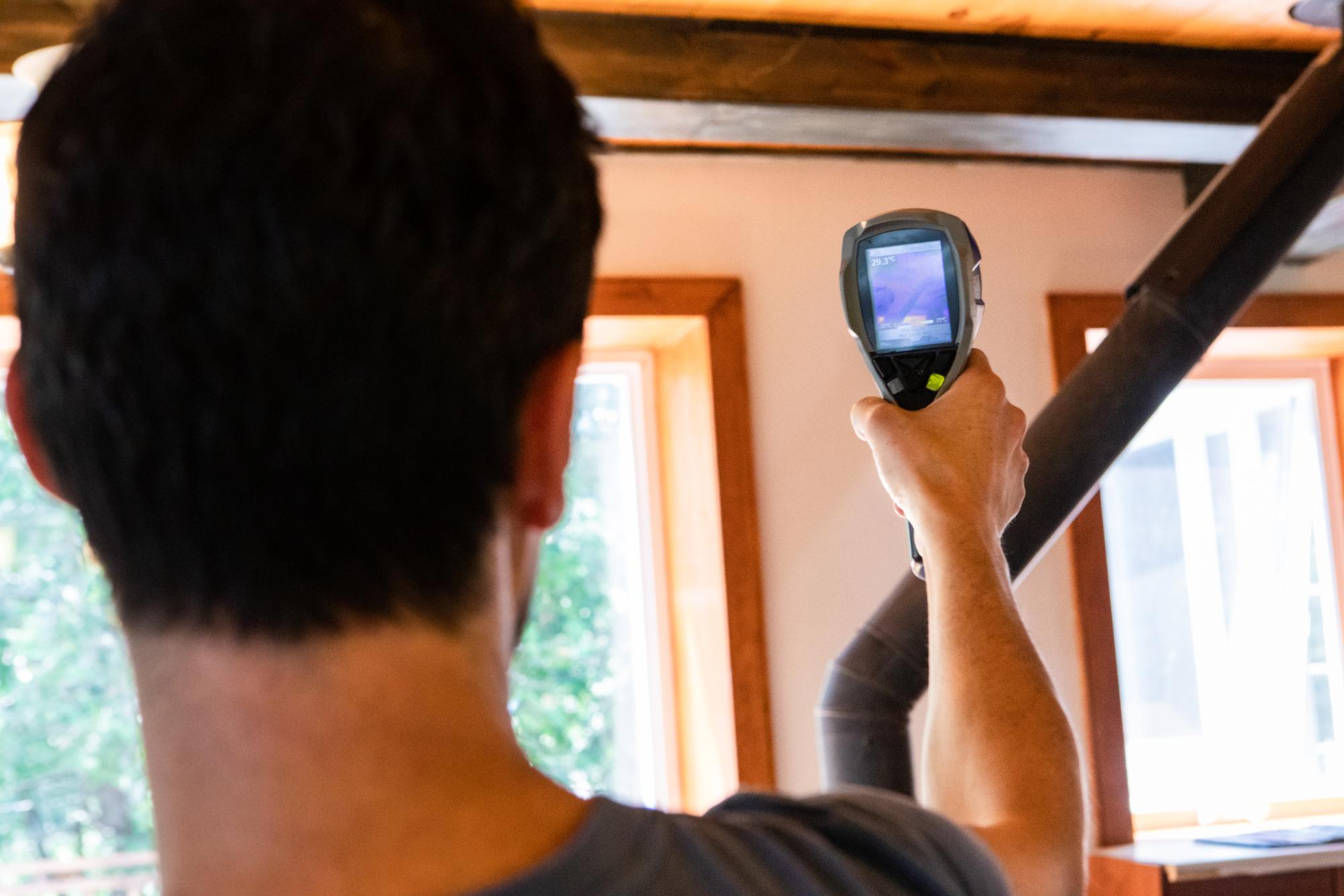
City rental inspections are performed by the City of Detroit under its current standards. Our role at Michigan’s Choice Inspection Services is different. We provide independent property inspection information that can help you spot visible defects, deferred maintenance, and safety concerns before the city visit.
Private inspections do not replace the city inspection, city code enforcement, required lead-clearance steps, or the Detroit certificate of compliance. We do not issue city certificates, approve repairs, or guarantee that a property will pass. The City of Detroit remains the authority on compliance.
Before the official inspection, review the city’s current checklist and consider the property’s overall condition. Common readiness areas may include:
- Safe access, exits, stairs, and handrails
- Working utilities, fixtures, plumbing, and heating capability
- Electrical safety and required smoke or carbon monoxide alarms
- Windows, doors, sanitation, and general exterior upkeep
- Visible moisture, structural, roof, or water-intrusion concerns
Each property is different, and the city’s current checklist is the source that controls what inspectors review. We recommend a pre-inspection evaluation for newly purchased rentals, long-vacant homes, turnover properties, and buildings with years of deferred maintenance.
Resolve Corrections and Lead Requirements
Lead-clearance requirements may be part of the process for properties covered by Detroit’s current lead-safety rules. Do not assume every rental follows the same lead path. Applicability can depend on factors identified by the city, including the home’s age, rental use, occupancy, location, and other program rules.
If the city identifies violations or missing documents, read the notice closely. You may need to arrange qualified repairs, submit records, obtain lead-clearance documentation, or follow the city’s re-inspection process. Deadlines, submission methods, and next steps can differ by case.
Cosmetic work is not a substitute for proper lead-related work or a city-required clearance. When repairs involve specialized knowledge, lead hazards, electrical concerns, heating systems, or major building conditions, use properly credentialed professionals.
September is also a smart time to prioritize issues that can worsen in colder Southeast Michigan weather. Damaged exterior surfaces, failing heat, roof concerns, drafty windows, moisture conditions, unsafe steps, and missing handrails deserve early attention for both tenant safety and inspection readiness.
Prepare Before the Next Turnover
Practical compliance planning starts with verifying the City of Detroit’s current requirements, completing BSEED rental registration, confirming city fees, preparing the property, resolving repair needs, completing any required lead steps, and keeping every document in one place. The official city process, not a private inspection, determines whether your rental receives its certificate.
Before a purchase, renovation, or tenant turnover, an independent assessment can help you understand visible property conditions and plan maintenance priorities. Proactive preparation can reduce surprises, prevent avoidable re-inspections, and help keep a Detroit rental ready for qualified tenants.
Get Clear Answers for Your Rental Property
Michigans Choice provides detailed inspection services to help property owners move forward with confidence. Learn what to expect from a Detroit certificate of compliance inspection and identify visible concerns that may need attention. For personalized guidance on your property, contact us today.