
How a Professional Home Inspector Helps Detroit Buyers Prepare for Winter
By Michigan’s choice, Michigan’s Choice
Start Winter with Fewer Detroit Home Surprises
A home can look great during a fall showing and still have hidden issues that become much harder to manage once Detroit temperatures fall. Late October gives buyers a helpful window to understand a property’s visible condition before snow, ice, and packed contractor schedules can slow down needed repairs.
Detroit winters can bring freezing temperatures, wind-driven drafts, heavy snow, lake-effect moisture, and ice dams along roof edges. A small gap around a window, a weak drainage area, or a plumbing concern may feel minor now, but winter weather can turn it into an uncomfortable and expensive surprise.
As a veteran-owned inspection company, we at Michigan’s Choice Inspection Services help buyers gain a clearer view of what they are purchasing. A professional home inspector in Detroit can identify visible concerns before closing and help you prioritize what needs attention. We look closely at areas that can affect your first winter, including heating, insulation, roofing, plumbing, drainage, sewer lines, radon, and mold-related conditions.
Spot Heat-Loss Risks Before Detroit Temperatures Drop
Cold air finds weak spots quickly. During a residential inspection, we look for visible signs that a home may lose heat or struggle to stay comfortable. Drafty windows and doors, worn weatherstripping, damaged vents, and unsealed openings around pipes or utility lines can all allow cold air inside.
The attic deserves careful attention before snow begins building up on the roof. Gaps in insulation and ventilation concerns may contribute to condensation, moisture damage, uneven indoor temperatures, and ice dams. Ice dams can form when warm air escapes into the attic, melts snow on the roof, and allows that water to refreeze near colder roof edges.
We also make observations about visible heating-system components. While an inspection does not replace a full HVAC evaluation, we may note concerns involving accessible furnaces, boilers, ductwork, filters, chimneys, flues, and exhaust components. When needed, we recommend further review by a qualified HVAC professional.
Before closing, ask for estimates or discuss seller concessions when significant efficiency concerns are found. Addressing these items before move-in may help you avoid high utility bills and frustrating comfort problems during the first cold stretch.
Protect Plumbing and Structure From Freeze Damage
Frozen pipes can cause major trouble, especially when plumbing runs near exterior walls or through cold crawl spaces. During an inspection, we watch for visible risks such as uninsulated pipes, poorly sealed crawl spaces, damaged hose bibs, and signs of prior leaks or water damage. These findings can help you understand where professional repairs or added protection may be needed.
Water management matters just as much as indoor plumbing. Foundations, basements, crawl spaces, and exterior drainage systems need to move water away from the home. We look for warning signs that may include cracks, standing water, poor grading, blocked gutters, damaged downspouts, or drainage that sends water toward the foundation.
Roof and exterior conditions should also be reviewed before snow and ice arrive. Loose or missing shingles, damaged flashing, worn caulking, clogged gutters, and siding gaps can create paths for water intrusion during winter storms.
A first-winter maintenance checklist based on inspection findings can keep priorities clear. Depending on the property’s condition, it may include:
- Having exposed pipes professionally insulated
- Disconnecting exterior hoses before extended freezing weather
- Having gutters cleaned and downspouts directed away from the foundation
- Monitoring basement humidity and visible moisture
- Scheduling recommended roofing, plumbing, or drainage repairs promptly
Our inspection helps you make an informed decision, but major plumbing, structural, or roofing concerns may require evaluation by the right licensed specialist.
Plan Sewer, Radon, and Mold Checks for Winter
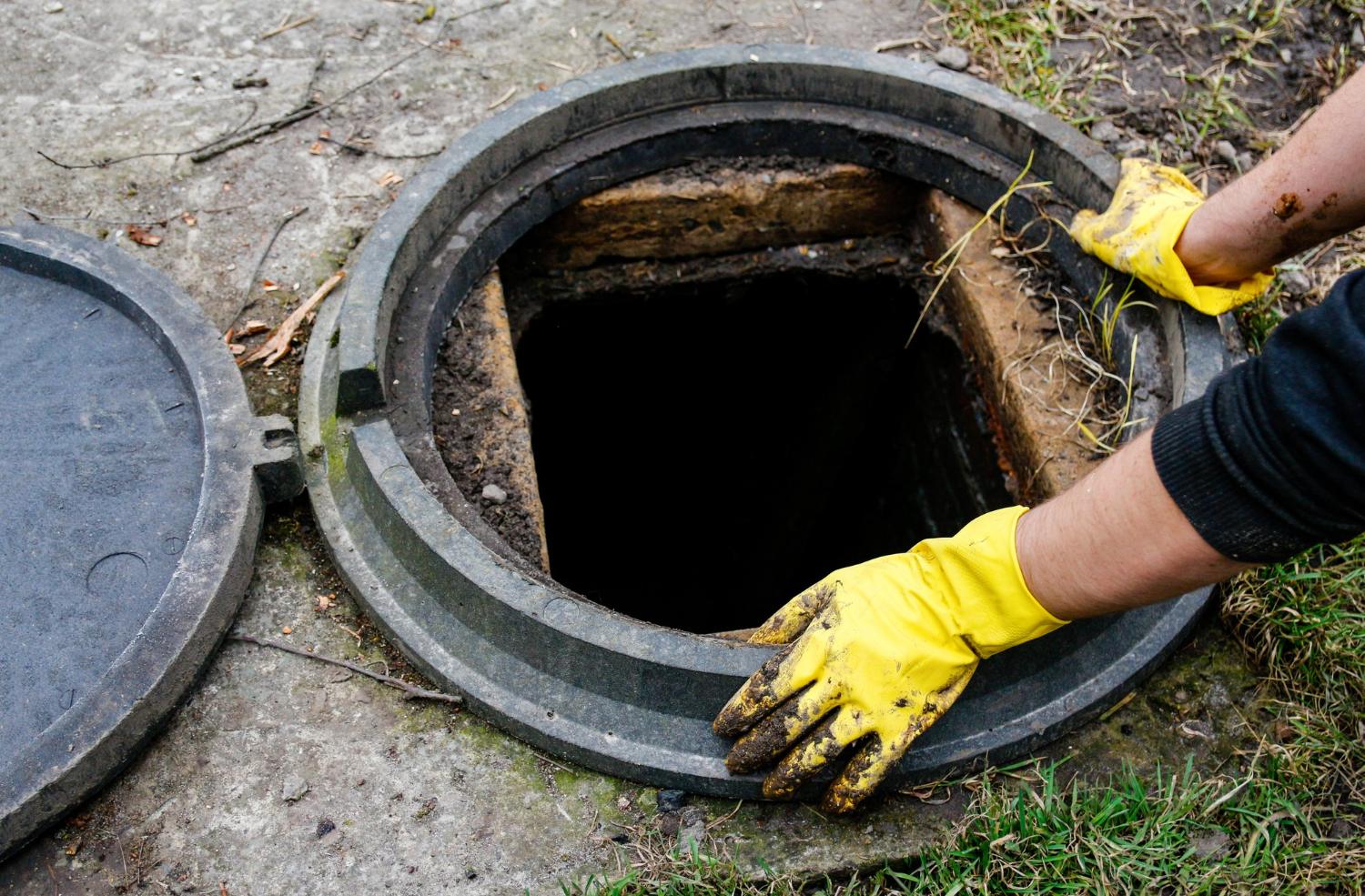
Many Detroit-area homes have features that make additional testing worth considering, especially older homes, homes with mature trees, or properties with a history of drainage or backup concerns. A sewer line inspection can help reveal potential obstructions, root intrusion, cracks, or other visible conditions inside the sewer line that deserve attention before winter use increases.
Radon testing is also important to consider as homes are closed up during colder weather. Radon is an odorless, naturally occurring gas that can enter through foundations and other openings. Professional testing helps you better understand indoor air conditions and whether further action should be considered.
Moisture concerns may also call for a mold inspection. Musty odors, visible staining, basement dampness, roof leaks, plumbing leaks, and past flooding can all point to conditions that deserve a closer look. The goal is not simply to identify mold-related conditions, but to better understand the moisture source and possible remediation needs.
Based on a home’s age, condition, and visible concerns, we can help you determine which added services make sense. Proactive sewer, radon, and mold evaluations can reduce uncertainty before you spend your first winter in the property.
Use Inspection Findings to Negotiate with Confidence
A detailed inspection report gives you a practical way to separate urgent concerns from normal maintenance. Not every small defect needs to become part of a negotiation. Instead, we recommend focusing on health and safety concerns, major systems, active moisture issues, drainage problems, and conditions that could worsen during winter.
After an inspection, buyers may have several paths forward:
- Request repairs for significant concerns
- Seek a credit at closing for needed work
- Ask for additional evaluations from qualified specialists
- Adjust the purchase price when major conditions affect the home
- Move forward with a repair plan when the property remains a strong fit
Timing matters in late fall. Once freezing weather begins, qualified contractors may have less availability, and certain exterior repairs can become more difficult to complete. Requesting specialist evaluations and repair estimates quickly helps you make decisions with better information.
Inspection findings are an important decision-making tool, but licensed specialists should provide repair recommendations and pricing for work in their field. A clear report can help you budget for immediate needs, plan seasonal maintenance, and avoid putting serious concerns off until winter conditions make them harder to address.
Prepare for a More Comfortable First Winter
Before closing, take time to understand how the home handles heat, moisture, water drainage, plumbing exposure, and indoor air concerns. A thorough review of heating, insulation, roofing, plumbing, drainage, sewer, radon, and mold-related conditions can help you plan ahead rather than react to an emergency.
With the right information in hand, you can move forward with clearer priorities, realistic repair plans, and greater confidence about what your first Detroit winter may bring.
Protect Your Home Investment Before Winter
At Michigans Choice, we help buyers identify seasonal concerns before they become costly surprises. Schedule with a professional home inspector in Detroit to get a detailed assessment of the property you are considering. Have questions about the inspection process or your next steps? Contact us to speak with our team.