Understanding How Home Inspections Influence Negotiations in Real Estate Transactions
By Michigan’s choice, Michigan’s Choice
Home inspections materially affect negotiations for buyers and sellers by clarifying the property’s condition. Inspectors document defects, which helps buyers form evidence-based requests and allows sellers to assess which issues will affect price or terms. The following content explains how inspection findings change negotiation positions and offers practical guidance for handling inspection-related discussions.
This article outlines the inspection elements that commonly influence negotiations, describes frequent and major defects found during inspections, and explains how those findings inform buyer and seller strategies. It also addresses commercial property inspections, sewer line evaluations, and how stakeholders use inspection results to make reasoned decisions in property transactions.
Key Takeaways
- Home inspections provide critical information that shapes negotiation strategies for both buyers and sellers.
- Choosing a reputable inspector and attending the inspection enhances understanding of property conditions.
- Inspection reports highlight major systems like roofing, electrical, plumbing, and HVAC, influencing repair requests.
- Common issues such as roof leaks and foundation cracks often lead to repair negotiations or price adjustments.
- Inspection findings enable buyers to request repairs or concessions based on documented defects and associated costs.
- Sellers can improve negotiation positions by addressing inspection issues before listing or during negotiations.
- Commercial property inspections require attention to operational systems and environmental hazards affecting deal terms.
- Sewer line inspections reveal hidden problems that can significantly impact negotiation leverage and repair discussions.
- Thorough review and communication of inspection results facilitate transparent, informed negotiations and better transaction outcomes.
Expert Tips
Adopt a measured approach to inspections: assess the report, prioritise repair items by cost and safety, and keep communication clear between parties. These steps reduce uncertainty and support orderly negotiation exchanges.
- Choose a Reputable Inspector: Always select an experienced and reputable home inspector. Their expertise offers assurance of a thorough evaluation, which can influence negotiations effectively.
- Attend the Inspection: Buyers should attend the home inspection to gain firsthand insights and ask questions. This presence can help clarify any concerns and facilitate understanding.
- Review the Report Carefully: After receiving the inspection report, take the time to analyze it. Understanding the details will prepare both parties for negotiation discussions.
- Prioritize Issues: Approach negotiations by focusing on the most critical and costly issues discovered during the inspection. This prioritization helps to set realistic expectations for repairs or concessions.
Applying these practices helps both parties define realistic requests and responses based on documented findings. For further information on professional evaluations, see home inspections.
Key Outcomes
Inspection findings often determine whether buyers request repairs, seek price adjustments, or accept the property as presented. Sellers who understand reported defects can choose to make repairs, offer financial concessions, or disclose the issues to set expectations and move the transaction forward.
When inspections are handled methodically, they promote clearer communication and more efficient resolution of concerns, which can result in mutually acceptable agreements and timely closings.
Overall Impact on Negotiation Strategies
Inspection reports can strengthen a buyer’s case for reduced price or repair credits by documenting system failures and safety risks. Conversely, sellers who address known issues in advance or present repair estimates may preserve their negotiating position and reduce buyer objections.
Effective preparation and informed responses to inspection findings improve the likelihood of reaching an agreement that reflects the property’s condition. For additional details on professional services, see our services.
What Are the Key Components of a Home Inspection Affecting Negotiations?
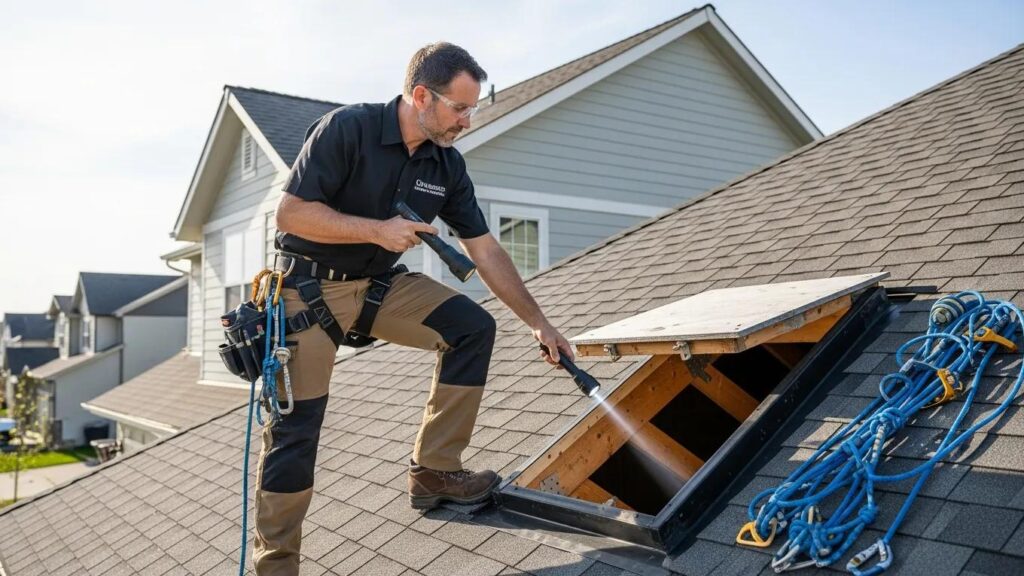
Inspections evaluate structural and system elements whose condition directly affects repair needs and cost estimates. Those evaluations form the basis for specific negotiation requests or seller responses.
Major Systems and Structural Components
Inspections assess major systems and structural components that typically drive negotiation outcomes. Key areas include roofing, electrical, plumbing, and HVAC systems, each of which may present safety concerns or significant repair costs.
- Roofing Systems: Evaluating the condition of the roof can predict potential future expenses and impacts on property valuation.
- Electrical Systems: Assessments of wiring and electrical panels can reveal compliance issues or safety hazards.
- Plumbing Systems: Understanding the state of plumbing is vital, as defects may lead to costly repairs.
- HVAC Systems: The efficiency and functionality of heating and cooling systems affect comfort and energy costs.
Clear information about these elements enables both parties to quantify likely repair costs and negotiate from an informed position.
Common Issues Found
Inspectors frequently report issues that influence negotiations, such as outdated wiring, roof damage, foundation movement, and plumbing failures. These conditions often determine whether buyers request remedies or price adjustments.
- Outdated Electrical Systems: Such systems can be a red flag for buyers, raising safety and insurance concerns.
- Roof Leaks: Persistent leaks typically indicate larger underlying problems that may require immediate attention.
- Foundation Cracks: Structural integrity issues can lead to significant repair costs and may influence both offers and contingencies.
- Plumbing Defects: Water damage from plumbing issues can decrease property value and necessitate negotiation for repairs.
Knowing these common defects helps buyers and sellers set priorities and respond to requests with clarity.
A professional inspection can identify issues missed during a brief property viewing, providing a factual basis for negotiation discussions.
The Crucial Role of Comprehensive Home Inspections in Real Estate Transactions
A prospective buyer typically views the property only once, often under time constraints. Without prior familiarity, a brief viewing cannot match the detailed understanding provided by a thorough evaluation. Tort Liability of a Landlord, 1928
Associated Costs
Estimating repair costs from inspection findings helps buyers justify adjustments and enables sellers to decide whether to complete repairs or offer concessions. For example, knowing the likely cost to replace outdated electrical work supports a reasoned negotiation position.
Impact on Negotiations
Inspection reports shape negotiation tactics: buyers use documented defects to request repairs or price changes, while sellers respond by repairing items, offering credits, or adjusting price. Consistent, professional communication facilitates productive options for both parties.
How Do Inspection Findings Shape Buyer and Seller Negotiation Strategies?
Inspection findings guide both sides on priorities and acceptable remedies. The report provides evidence needed to justify specific requests and helps sellers decide on responses that maintain momentum in the sale.
In What Ways Can Repair Requests and Price Adjustments Arise?
Buyers commonly request repairs or price reductions based on documented issues. Requests should reference specific items in the inspection report and, where possible, include cost estimates to support reasonable negotiations.
What Negotiation Outcomes Result from Identified Defects?
Identified defects commonly result in repair agreements, price reductions, or credits at closing. These options allow parties to address defects while keeping the transaction on course.
- Repair Agreements: Sellers may agree to fix specific issues before closing.
- Price Reductions: Buyers might negotiate a lower price reflecting anticipated repair costs.
- Credits at Closing: Sellers can provide credits toward repairs as a way to satisfy buyer concerns while maintaining the sale price.
Such resolutions require good-faith negotiation and clear documentation of the reported issues and their costs.
What Are the Specific Considerations for Commercial Property Inspections in Negotiations?
Commercial inspections focus on operational reliability and liability exposure. Findings can affect allocation of repair responsibilities, lease or sale terms, and any required warranties or escrows agreed during negotiation.
Which Operational Systems and Maintenance Issues Influence Deal Terms?
Key operational systems—HVAC, plumbing, electrical, and structural elements—can affect business continuity and maintenance obligations. Buyers may request repairs, service agreements, or warranties to limit future operational disruptions.
How Do Environmental and Safety Evaluations Affect Commercial Negotiations?
Environmental hazards such as mold or contaminants can require remediation and influence deal terms. Buyers frequently seek assurances or additional testing, for example radon testing, to clarify liabilities and remediation responsibilities before finalising terms.
How Does Sewer Line Inspection Inform Negotiation Leverage in Property Deals?
Sewer line inspections often reveal hidden defects that change repair obligations and influence offer terms.
What Common Issues Are Detected Through Sewer Line Assessments?
Sewer assessments commonly detect blockages, cracks or leaks, and aging or damaged pipes that may require partial or full replacement. These conditions affect maintenance costs and property value.
- Blockages: Resulting from tree roots or debris, leading to significant plumbing problems.
- Cracks or Leaks: Indicate potential failures that could require costly repairs.
- Old or Damaged Lines: Where replacement may be necessary, affecting overall property value.
Buyers can use these findings to request repairs or adjust offers according to the estimated cost and urgency of the work; see sewer line inspections for additional information.
How Do Sewer Deficiencies Translate Into Repair Negotiations?
When sewer defects are documented, buyers may ask sellers to complete repairs, provide credits, or lower the price by an amount that reflects repair estimates. Clear cost estimates and timelines support reasonable negotiation outcomes.
How Can Buyers and Sellers Use Home Inspection Results to Make Informed Decisions?
Inspection reports supply factual information that both parties can use to plan next steps, allocate responsibilities, and set realistic expectations for closing.
What Steps Should Clients Follow After Receiving Inspection Reports?
- Reviewing Findings Carefully: Assessing the report thoroughly helps both parties identify key issues to address.
- Determining Next Steps: Based on the findings, decide whether to proceed with negotiations, request concessions, or withdraw from negotiations altogether.
- Advising Relevant Parties: Engaging real estate agents or legal counsel can provide valuable insight into handling negotiations effectively.
How Does Understanding Inspection Outcomes Support Effective Negotiation?
With a clear understanding of inspection results, buyers and sellers can discuss repairs, credits, or price adjustments grounded in documented facts. This approach encourages transparent negotiations and reduces the risk of unexpected issues delaying closing.
| Inspection Component | Importance | Impact on Negotiation |
|---|---|---|
| Major Systems | Key to property functionality | Can justify price adjustments |
| Common Issues | Frequently affect property value | Heightens buyer leverage during negotiation |
| Repair Costs | Associated with inspection findings | Impact final sale price and concessions |
| Environmental Hazards | Safety concerns for property buyers | Often lead to significant negotiation leverage |
This table summarises how inspection components relate to negotiation outcomes and underscores the value of a documented inspection report when discussing repairs or adjustments.
Frequently Asked Questions
What factors should buyers consider when choosing a home inspector?
Buyers should verify an inspector’s qualifications, certifications, and experience with the property type in question. Check references and recent reviews, and confirm the inspector uses current methods and tools. These steps increase the reliability of the report used in negotiations.
How can sellers prepare for a home inspection?
Sellers improve their negotiation position by completing routine maintenance, ensuring utilities are operable, and gathering records of past repairs or warranties. Addressing visible minor issues before listing can reduce buyer concerns and streamline post-inspection discussions.
What is the typical timeline for negotiating after a home inspection?
Timelines vary, but buyers generally take a few days to review the report and submit requests. Sellers then typically respond within a few days. Depending on issue complexity, negotiations can conclude within a week or extend over several weeks; consistent communication helps keep the process on track.
Do home inspections always result in price reductions?
No. Inspections may lead to repair requests, credits, or price reductions, but sellers can also agree to make repairs or offer other remedies. Outcomes depend on the market, the property’s condition, and both parties’ willingness to negotiate.
Can a buyer back out of a sale after an inspection?
Buyers may withdraw if the purchase agreement includes an inspection contingency and the findings justify withdrawal. Acting promptly and consulting legal counsel or the buyer’s agent is important to meet contract deadlines and understand consequences.
How do seasonal factors affect home inspections?
Seasonal conditions can reveal or mask issues: winter inspections may expose heating and insulation problems, while spring inspections can highlight drainage or landscaping defects. Schedule inspections with seasonal effects in mind to ensure relevant systems are evaluated.
What role do contingency clauses play in negotiations?
Contingency clauses protect buyers by allowing them to request repairs or exit the contract under specified conditions, such as unsatisfactory inspection results. Sellers must then choose how to address contingencies—by repairing, offering concessions, or negotiating alternative terms—to preserve the sale.
Conclusion
Home inspections provide factual, documented information that informs negotiation choices for both buyers and sellers. Using inspection reports to define repair needs, cost expectations, and possible concessions supports efficient, transparent negotiations. For additional resources on professional inspection services, consult our reference materials.