Understanding the Key Differences Between Residential and Commercial Property Inspections in Southeast Michigan
By Michigan’s choice, Michigan’s Choice
Property inspections play a central role in real estate transactions for both residential and commercial properties. Although they rest on common principles, they differ in scope, complexity, and purpose. Recognising these distinctions helps homebuyers, sellers, and investors make informed decisions about property purchases. This article outlines the principal differences between residential and commercial inspections and their relevance to the Southeast Michigan market.
In the sections that follow, we define residential property inspections, describe how commercial inspections differ, explain the role of environmental testing in each context, and review how inspections support real estate transactions. We also summarise how working with Michigan’s Choice Inspection Services can support your property evaluation.
Key Takeaways
- Residential property inspections assess home safety and functionality by evaluating roofing, electrical, and plumbing systems.
- Commercial property inspections involve structural evaluations, regulatory compliance, and detailed reporting for diverse property types.
- Environmental testing, including radon assessments, enhances safety and transparency in both residential and commercial inspections.
- Radon testing should be conducted during inspections under closed-house conditions to ensure reliable results.
- Inspection findings influence real estate negotiations by identifying repair needs and supporting maintenance planning.
- Professional inspectors educate buyers and sellers about property conditions and potential future risks.
- Property inspections in Southeast Michigan support informed decisions and smoother real estate transactions.
- Michigan’s Choice Inspection Services offers thorough evaluations with integrated environmental testing and clear communication.
What Defines Residential Property Inspections?
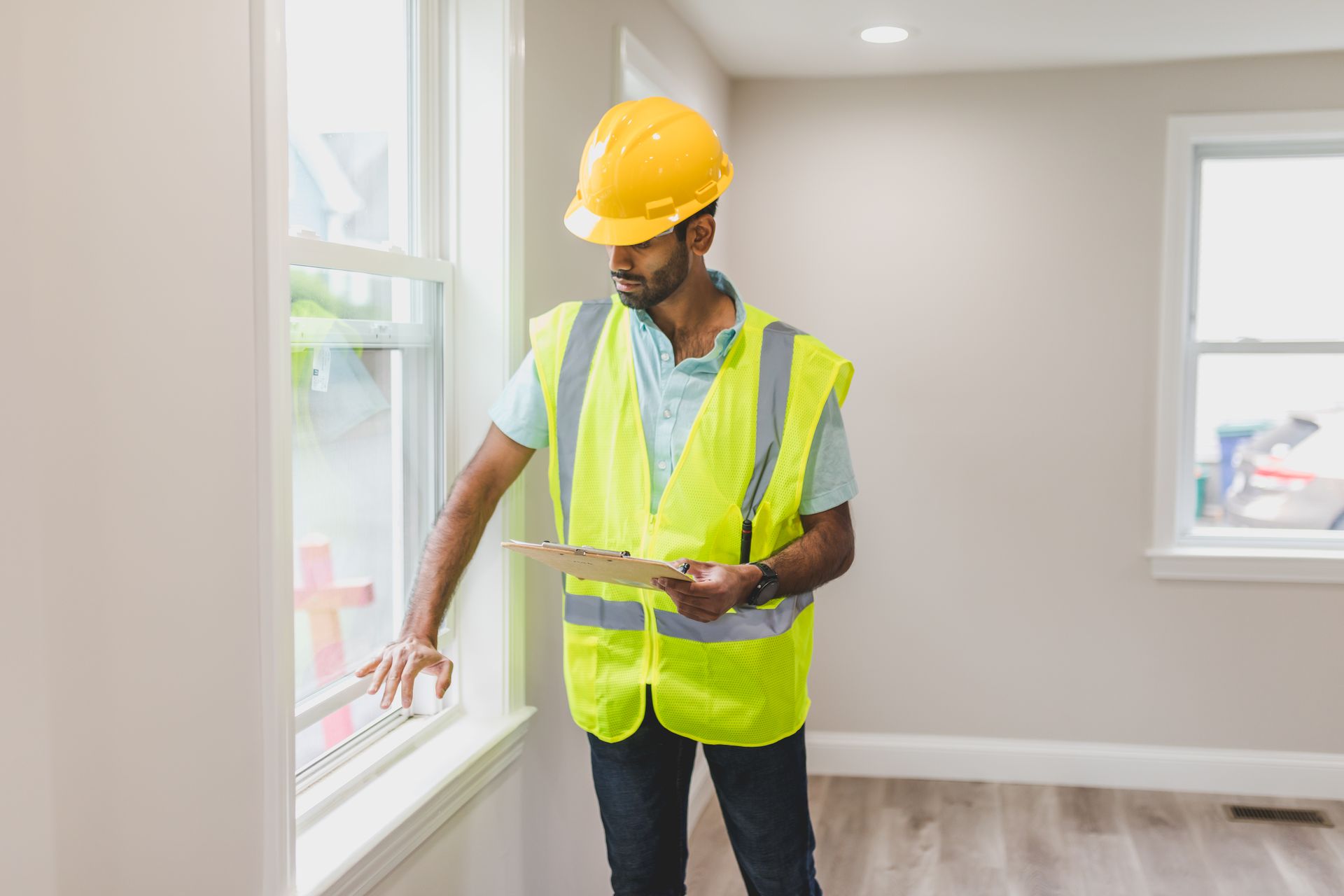
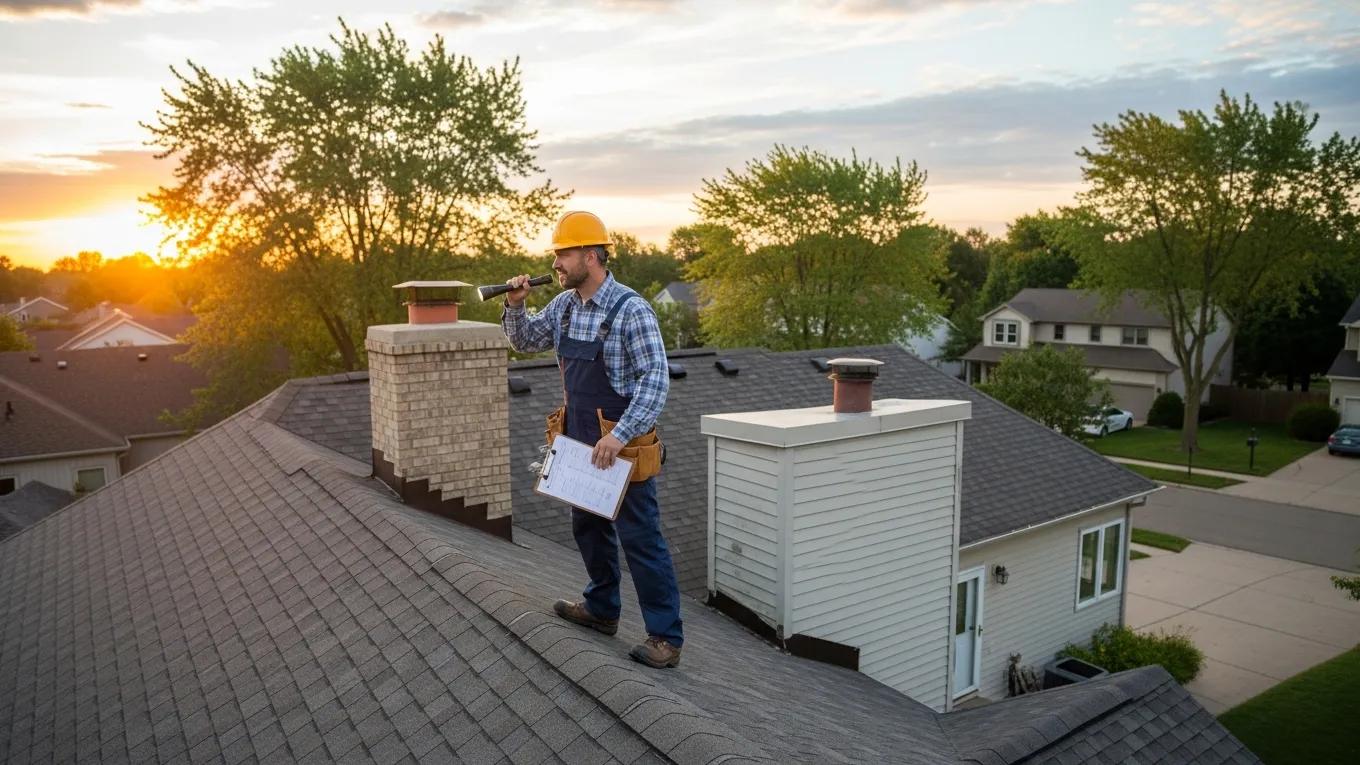
Residential property inspections evaluate a home’s condition by examining its structural and operational elements. A qualified inspector reviews key systems and components to confirm they meet safety expectations and perform as intended. The resulting report gives buyers and sellers factual information to support negotiations and decision-making.
Which Elements Are Included in a Residential Property Inspection?
A residential property inspection addresses several key components related to safety and function:
| Element | Description | Importance |
|---|---|---|
| Roofing Systems | Examination of shingles, flashing, and drainage | Essential for preventing leaks and water damage |
| Electrical Systems | Inspection of wiring, panels, and outlets | Critical for safety and energy efficiency |
| Plumbing Systems | Evaluation of pipes, fixtures, and water supply | Ensures proper wastewater disposal and water access |
These items represent the primary focus of a residential inspection and help identify conditions that may require prompt attention.
How Does a Residential Inspection Checklist Support Homebuyers and Sellers?
A residential inspection checklist specifies the areas to be examined, sets expectations for buyers, and prepares sellers for questions about the property’s condition. Clear, itemised findings improve the quality of negotiations by providing both parties with documented information on the home’s operational status and identified concerns.
How Do Commercial Property Inspections Different From Residential Inspections?

Commercial property inspections cover a range of property types, from office buildings to retail spaces. They differ from residential inspections in scale and technical requirements and typically demand specialised knowledge and methods to address varied operational needs.
What Are the Key Components of a Commercial Property Inspection Process?
The commercial inspection process includes several primary assessments, such as:
- Structural Evaluations: Inspectors assess the integrity of the building’s framework to identify potential safety hazards.
- Regulatory Compliance Checks: Ensuring that the property complies with local zoning laws and safety regulations is mandatory for operation.
- Detailed Reporting: Comprehensive documentation detailing the findings from various assessments aids prospective buyers in understanding potential liabilities.
Each element assists investors and business owners in evaluating risk and making informed decisions about a property.
Why Are Commercial Inspections Critical for Investors and Business Owners?
Commercial inspections reduce financial risk by identifying conditions that may affect operations and costs. Early identification of issues allows owners and investors to plan for repairs, negotiate terms, and support the long-term viability of their holdings in the Southeast Michigan market.
What Role Does Environmental Testing Play in Both Residential and Commercial Inspections?
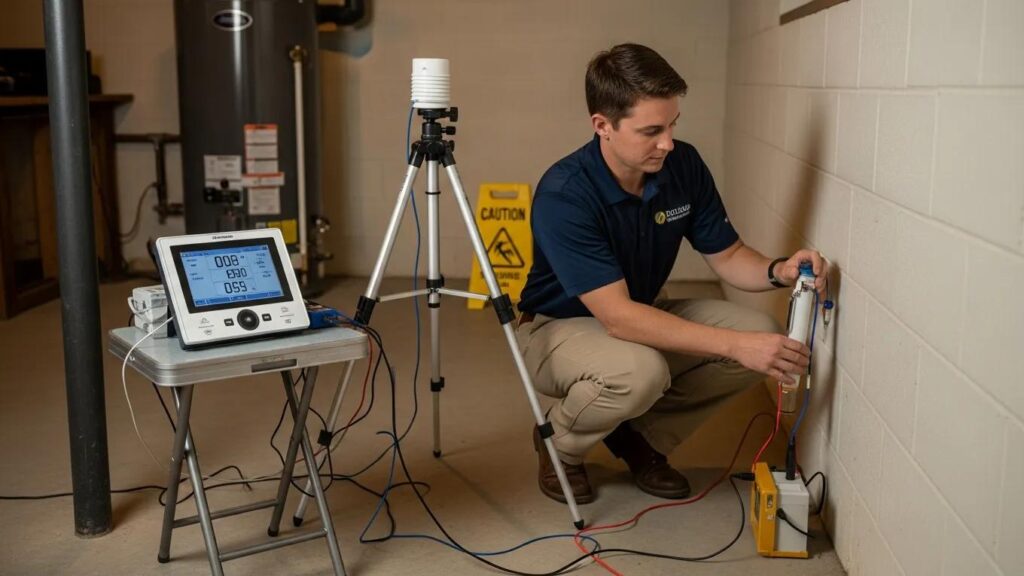
Environmental testing is a standard element of property inspections that addresses air quality and other health-related concerns. Assessing environmental factors helps confirm that a property meets applicable health and safety standards.
When Should Radon Testing Be Conducted During Property Inspections?
Radon testing is an important environmental assessment, especially in areas prone to elevated radon levels. Tests should be performed during the inspection and under closed-house conditions to produce reliable results. The Environmental Protection Agency (EPA) recommends mitigation if radon levels exceed 4 pCi/L. For more details on how this process is handled, radon testing is available.
How Does Environmental Testing Enhance Property Safety and Transaction Transparency?
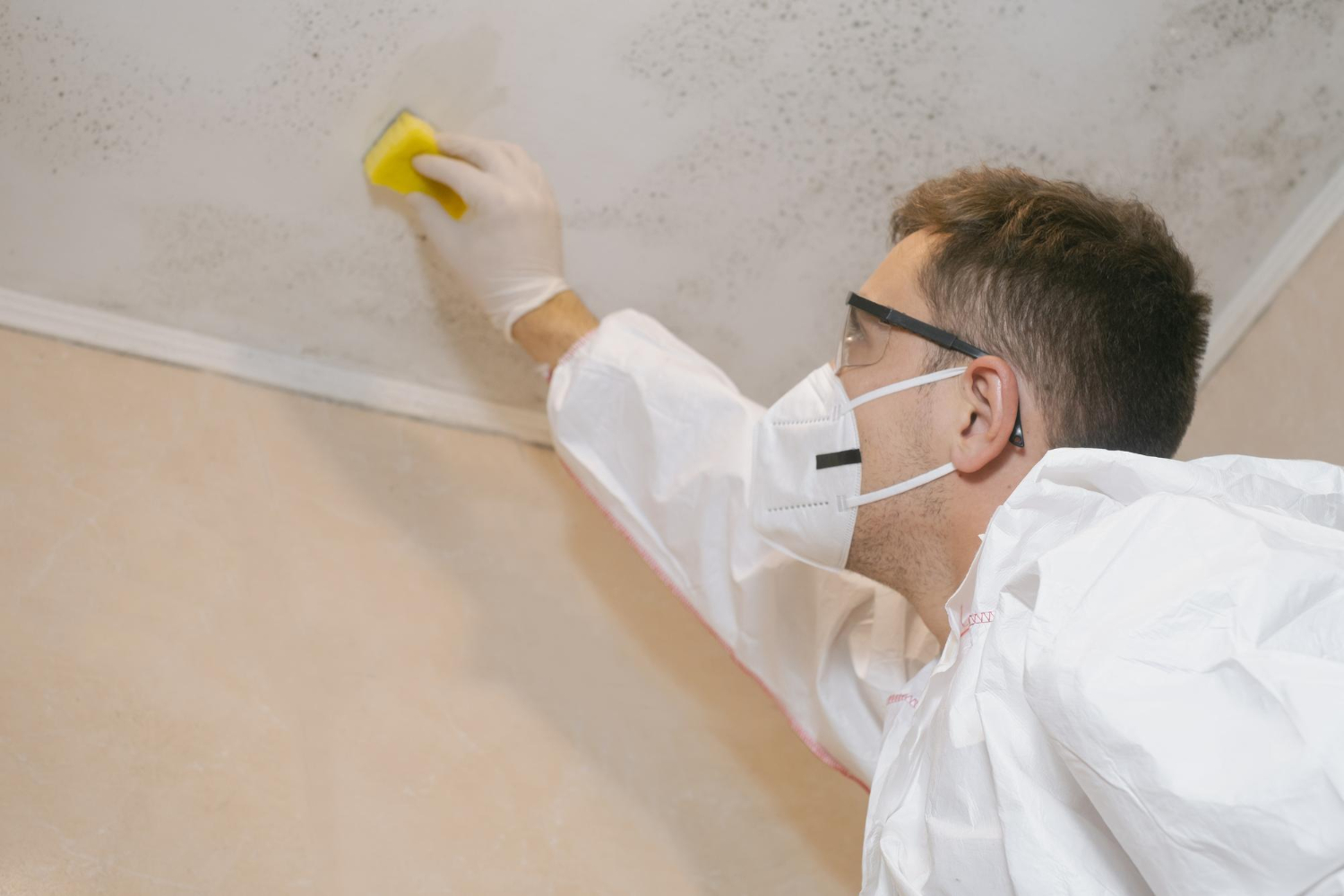
Including environmental testing in inspections improves safety and transaction transparency. Documented hazards, such as mold or elevated radon, allow parties to negotiate repairs or price adjustments based on objective findings, which reduces the risk of post-sale disputes.
How Do Property Inspections Support Real Estate Transactions in Southeast Michigan?
In Southeast Michigan, inspections provide buyers and sellers with clear, documented information about a property’s condition. That information supports negotiations and helps buyers make significant financial commitments with better understanding of potential risks and obligations.
What Are Typical Inspection Outcomes Affecting Negotiations and Maintenance Planning?
Inspection findings commonly affect negotiations. Issues such as outdated electrical systems or plumbing leaks can prompt price adjustments or require repairs before closing. Following inspection results with planned maintenance enables owners to allocate resources and preserve property condition.
How Can Inspectors Educate All Parties for Informed Property Decisions?
Qualified inspectors clarify findings, outline maintenance needs, and identify potential future risks. This explanation helps buyers and sellers interpret the report and supports measured decision-making throughout the transaction process.
Why Choose Michigan's Choice Inspection Services for Your Property Inspection Needs?
Michigan’s Choice Inspection Services is a reliable provider noted for thorough evaluations and a focus on client education. Engaging a qualified inspection service can materially affect the quality of a property evaluation.
What Makes Michigan's Choice Inspection Services’ Approach Distinctive?
Michigan’s Choice applies a methodical assessment process combined with transparent communication. Their inspectors use professional knowledge to ensure evaluations are informative and to assist clients in addressing property concerns with clarity.
How Do Integrated Environmental Tests Complement the Inspection Process?
Including environmental tests alongside structural inspections improves assurance of safety and supports regulatory compliance. Michigan’s Choice Inspection Services provides the technical expertise to address air quality concerns in parallel with building evaluations.
Frequently Asked Questions
1. What are the costs associated with residential and commercial property inspections?
Inspection costs vary by property size, location, and the specific inspections required. Residential inspections typically range from $300 to $500. Commercial inspections are often more extensive and can range from $500 to $1,500 or higher. Obtain quotes from several providers to compare fees and confirm the scope of services included.
2. How long does a typical property inspection take?
Duration depends on the property’s type and size. A residential inspection generally takes about 2 to 3 hours, while a commercial inspection can take 3 to 8 hours or longer for large facilities. Weather, the inspector’s pace, and the number of systems reviewed also affect timing. An inspector will usually provide an estimated duration for your property.
3. What qualifications should I look for in a property inspector?
Look for professional certifications that demonstrate competence, such as membership in the American Society of Home Inspectors (ASHI) or the International Association of Certified Home Inspectors (InterNACHI). Ask about the inspector’s experience with the specific property type and request references or client reviews to evaluate reliability.
4. What happens if issues are found during a property inspection?
If issues are identified, buyers commonly request repairs before closing, renegotiate the purchase price to account for repair costs, or withdraw from the transaction if problems are severe. Discuss the findings with your real estate agent or inspector to determine the appropriate course of action based on the severity of the issues and your circumstances.
5. Are there specific requirements for inspections in Southeast Michigan?
In Southeast Michigan, property inspections are not legally required but are strongly recommended, particularly for residential transactions. Certain commercial properties may be subject to local regulations or codes that require compliance checks. Consult local rules or work with an experienced inspector who can address any area-specific requirements.
6. Can I attend the property inspection?
Yes. Buyers and sellers are encouraged to attend inspections. Being present allows you to observe the property’s condition, ask questions, and receive immediate feedback from the inspector. This engagement helps you better understand issues and their implications for the transaction.
7. How often should I get my property inspected?
Inspection frequency depends on the property’s age, location, and maintenance record. For residential properties, consider a full inspection every few years or after major renovations or environmental changes. For commercial properties, routine inspections are commonly performed annually or semi-annually to address maintenance and regulatory compliance. Regular evaluations help maintain safety and functionality.
Conclusion
Recognising the differences between residential and commercial property inspections is important for informed real estate decisions in Southeast Michigan. Each inspection type provides specific insights that inform negotiation and maintenance planning. Prioritise thorough evaluations from qualified professionals to ensure an informed investment. For professional property inspections, consider Michigan’s Choice Inspection Services.