
How a Professional Home Inspector Helps Detroit Buyers Prepare for Winter
By Michigan’s choice, Michigan’s Choice
See the Home’s Risks Before Winter Weather Arrives
A home inspection gives you a clearer look at a property before cold, wet weather puts extra stress on it. In Taylor, November can bring rain, wind, freezing temperatures, and the first snowfalls. Small issues with a roof, drainage, insulation, or heating system may be easy to miss during a quick walkthrough, yet they can become more noticeable once winter settles in.
At Michigan’s Choice Inspection Services, we help buyers, sellers, homeowners, investors, and real estate professionals understand a property’s visible condition. An inspection is a visual, noninvasive assessment of accessible systems and components. It is not a pass-or-fail test. Instead, it gives you useful information before a purchase, listing, repair decision, renovation, or seasonal preparation.
During an inspection, we look at major areas that affect the home’s safety, comfort, and weather resistance, including:
- Structure and exterior surfaces
- Roofing, attic conditions, and insulation
- Heating, plumbing, and electrical systems
- Moisture concerns, drainage, and visible safety issues
What a Licensed Home Inspector in Taylor Examines
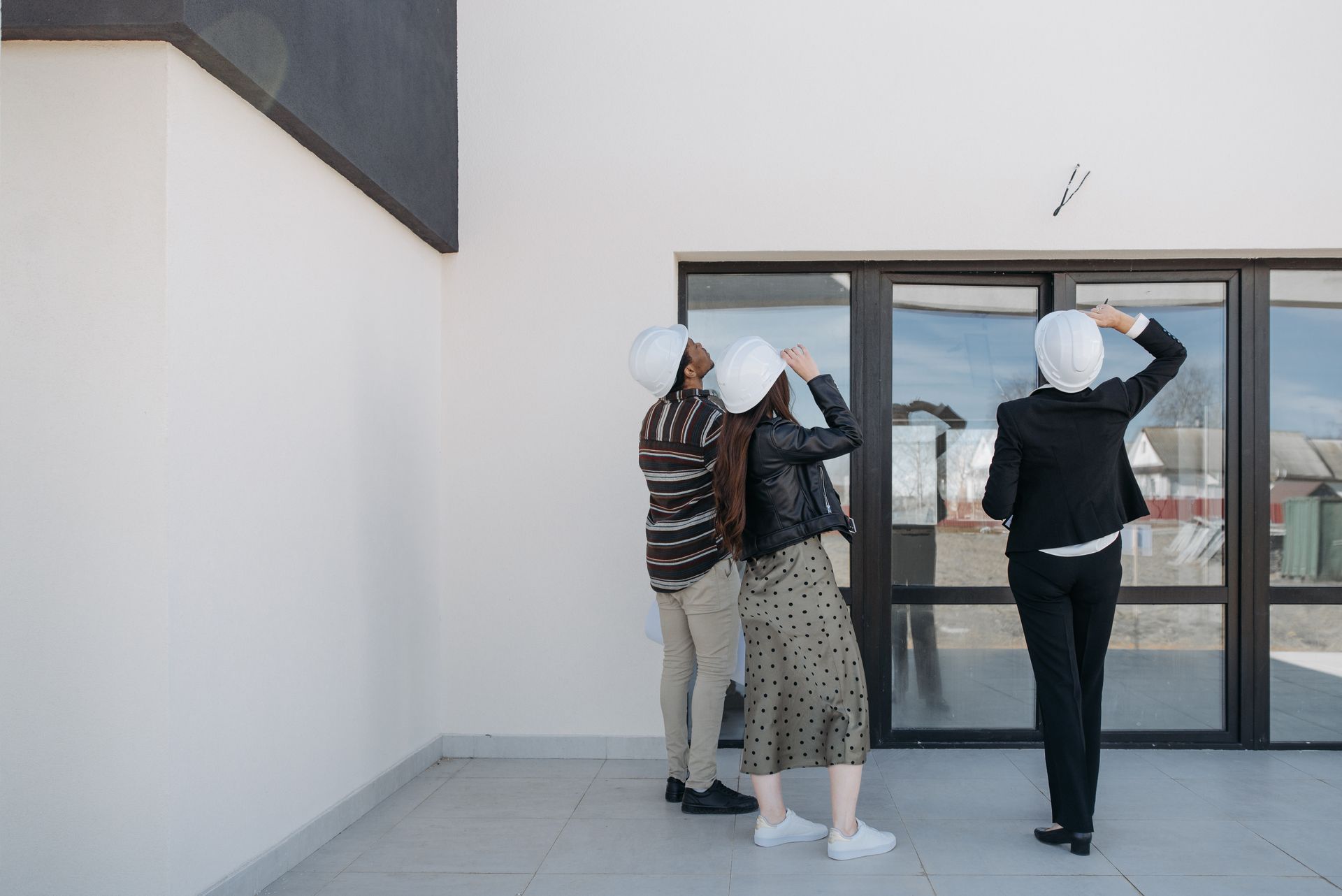
When you hire a licensed home inspector in Taylor, it helps to know what the appointment includes. We evaluate readily accessible and visible areas of the home, then document observed conditions in a detailed report. That report can help you understand what appears to be working as intended, what may need attention, and where further evaluation may be appropriate.
Our review commonly includes the foundation, basement or crawl space, visible framing, roof, attic, exterior cladding, windows, doors, electrical system, plumbing, heating, cooling, insulation, and built-in appliances. Each home is different, so accessible conditions can vary based on the property’s layout, age, stored belongings, weather, and other factors.
While looking through these areas, we watch for signs of damage, defects, improper installation, deferred maintenance, and safety concerns. Visible examples can include water staining, cracks, missing insulation, aging roofing materials, exposed wiring, plumbing leaks, or fixtures that do not operate as expected.
An inspection has limits. We do not dismantle walls, move furniture or stored items, predict every future failure, or guarantee that concealed problems will be found. If we observe a concern that needs a closer look, we may recommend evaluation by the right qualified professional, such as an electrician, plumber, contractor, or structural specialist.
Protect the Roof, Structure, and Exterior From Winter Damage
Your home’s exterior is its first line of defense against rain, snow, ice, and changing temperatures. A small opening around flashing or siding can allow water inside when snow melts or heavy rain falls. That is why exterior observations are especially helpful before and during the colder part of the year.
We inspect visible roof coverings, flashing, penetrations, gutters, downspouts, fascia, soffits, and chimney exteriors. Loose or damaged shingles, worn flashing, clogged gutters, and poor water flow can all raise the risk of moisture intrusion. While an inspection cannot see beneath every surface, visible clues can point to areas worth addressing.
Around the foundation, we look for visible cracking, signs of movement, standing water, moisture staining, and grading that slopes toward the home. Water that collects near the foundation can contribute to basement seepage and moisture problems. Freeze-and-thaw cycles may also worsen existing cracks or surface deterioration.
Windows, doors, siding, decks, porches, and exterior steps matter too. Gaps in caulking, deteriorated trim, damaged siding, loose handrails, or aging exterior materials can affect both safety and weather resistance. For sellers, these findings can help organize repairs. For buyers, they can bring needed context before winter adds more wear.
Check the Systems That Keep Your Home Safe and Comfortable
Heating, electrical, plumbing, and ventilation systems affect daily life in every season, but problems often feel more urgent when temperatures drop. We observe accessible components and general operation when conditions allow, helping you spot visible concerns before they become more disruptive.
For heating and cooling equipment, we may observe the furnace, thermostat response, accessible ductwork, visible condensate components, and apparent operation. Corrosion, damaged ductwork, dirty filters, improper venting, or equipment that appears near the end of its service life can all deserve attention from a qualified HVAC professional.
Electrical observations include accessible service panels, breakers, visible wiring, outlets, switches, grounding, and safety devices where applicable. Some conditions that may appear in an inspection report include:
- Double-tapped breakers
- Missing cover plates
- Unprotected visible wiring
- Outdated or damaged panel components
- Missing ground-fault protection in moisture-prone areas
Plumbing is another area where a small concern can turn into a larger problem. We check visible supply lines, drain lines, fixtures, water heaters, and signs of leakage. During November, pipe insulation, exterior hose connections, water shutoff access, and evidence of past water damage deserve close attention before freezing weather arrives.
Why a Licensed Home Inspector in Taylor Checks Water and Air
Moisture and indoor air concerns can begin in places that are not part of everyday life, such as a basement, crawl space, attic, or behind laundry equipment. Bathrooms and kitchens can also show signs of ongoing humidity or plumbing issues. Damp fall conditions and winter snowmelt make moisture control an important part of caring for a Michigan home.
During a standard inspection, we look for visible staining, musty odors, damaged drywall, condensation, poor ventilation, and other warning signs. Elevated moisture readings may also point to an area that deserves further attention. Finding the source of moisture matters because surface repairs alone may not resolve the underlying condition.
Michigan’s Choice Inspection Services serves Southeast Michigan with residential and commercial inspections, mold inspections, radon testing, and sewer line inspections. Mold inspections can help you better understand visible growth, musty odors, and potential moisture-related conditions that may require remediation or repair.
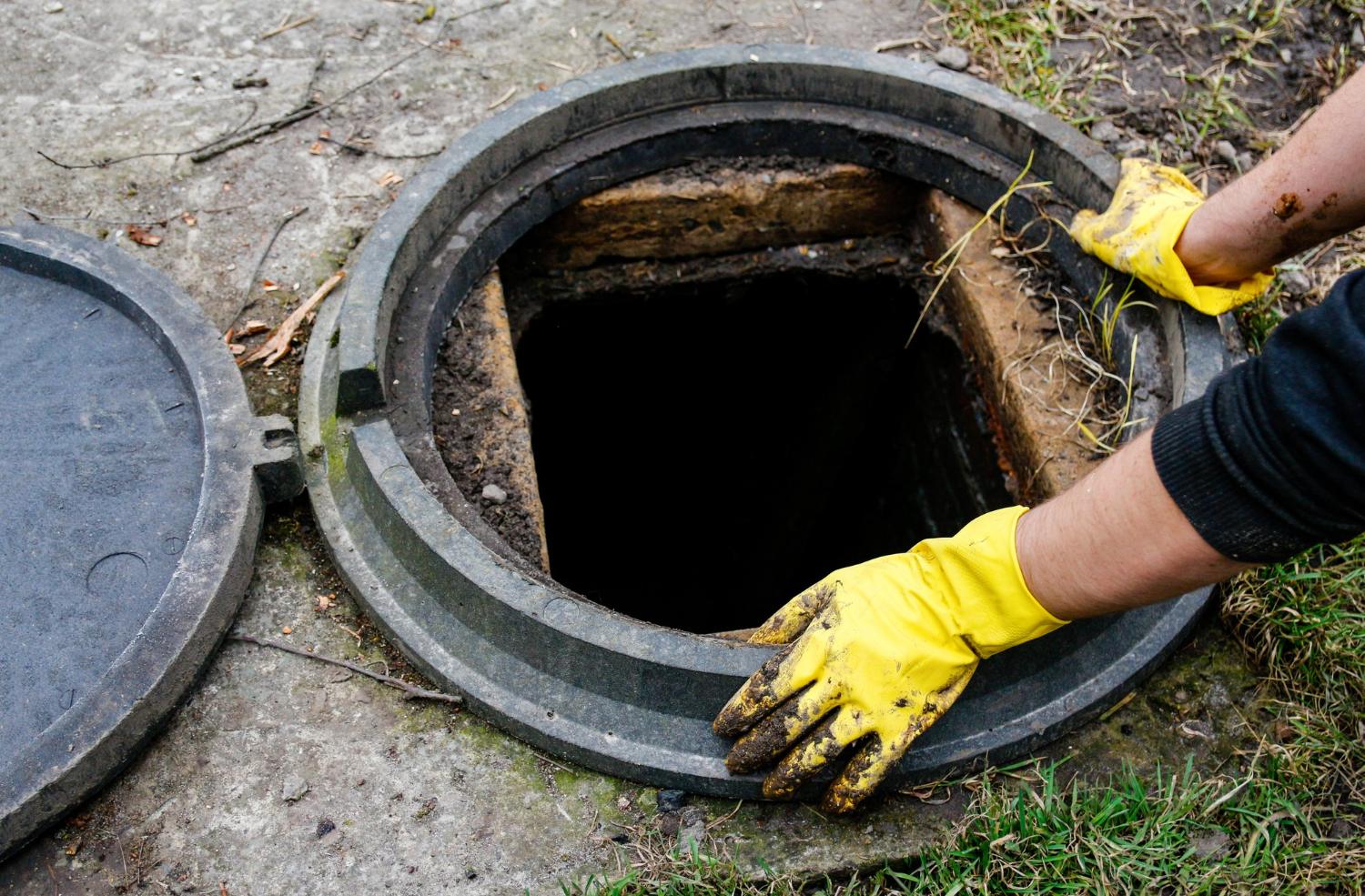
Radon testing and sewer line inspections provide information that a visual inspection alone may not reveal. Radon is an odorless gas that can enter a home from the soil. Sewer line concerns may stay hidden until slow drains, backups, or more serious repairs are needed.
Plan Your Next Steps with Clear Information
Whether you are preparing to buy, sell, renovate, or maintain a property through winter, Michigan’s Choice Inspection Services can provide inspection information for residential and commercial needs, along with mold, radon, and sewer line services. A detailed report can help you organize questions, request further evaluations when needed, and make decisions with a better understanding of the property.
The best time to learn about a home’s condition is before a small concern becomes a larger seasonal repair. Clear information about visible conditions can help you prioritize repairs, protect your investment, and move forward with greater confidence.
Get Clear Answers About Your Home
At Michigans Choice, we provide detailed, easy-to-understand findings tailored to your property. Schedule with a licensed home inspector in Taylor to receive a thorough evaluation of the accessible areas of your home. If you have questions or are ready to arrange an inspection, contact us today.