
Commercial Inspections Vs. PCAs: Michigan Costs and Scope
By Michigan’s choice, Michigan’s Choice
A commercial property can look sound during a walkthrough and still carry expensive repair exposure. Roof wear, strained HVAC equipment, drainage trouble, aging electrical panels, parking damage, and life-safety concerns may not be obvious until you know where to look.
Before you commit capital, you need to understand both the building’s visible condition and the due diligence report your financing requires. A commercial property inspection in Warren and a property condition assessment can both help, but they are not the same product. Early fall is also a smart time to assess roofs, drainage, exterior surfaces, and heating equipment before Michigan winter weather makes some concerns harder to inspect or more urgent to repair.
Commercial Property Inspection in Warren: What We Inspect
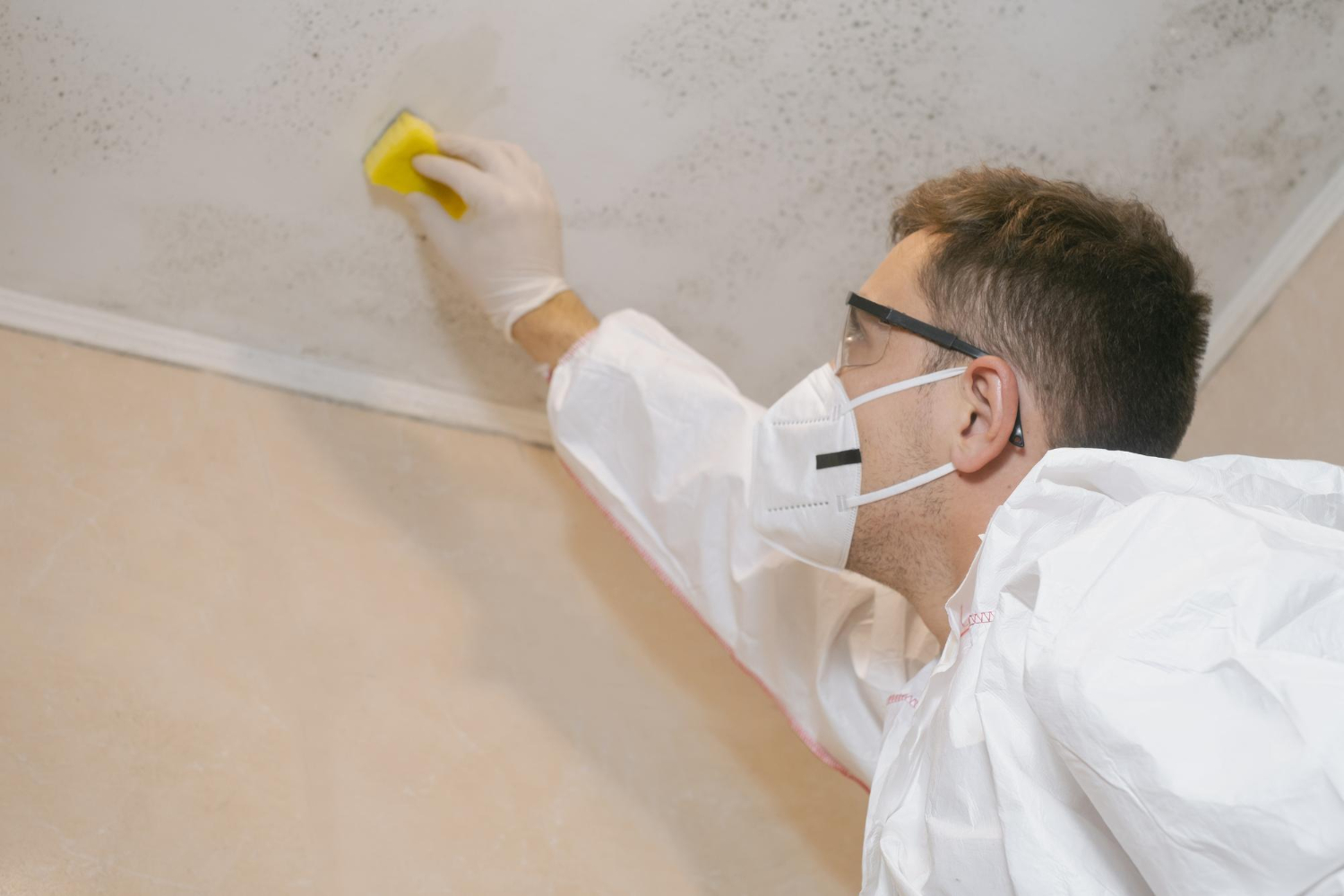
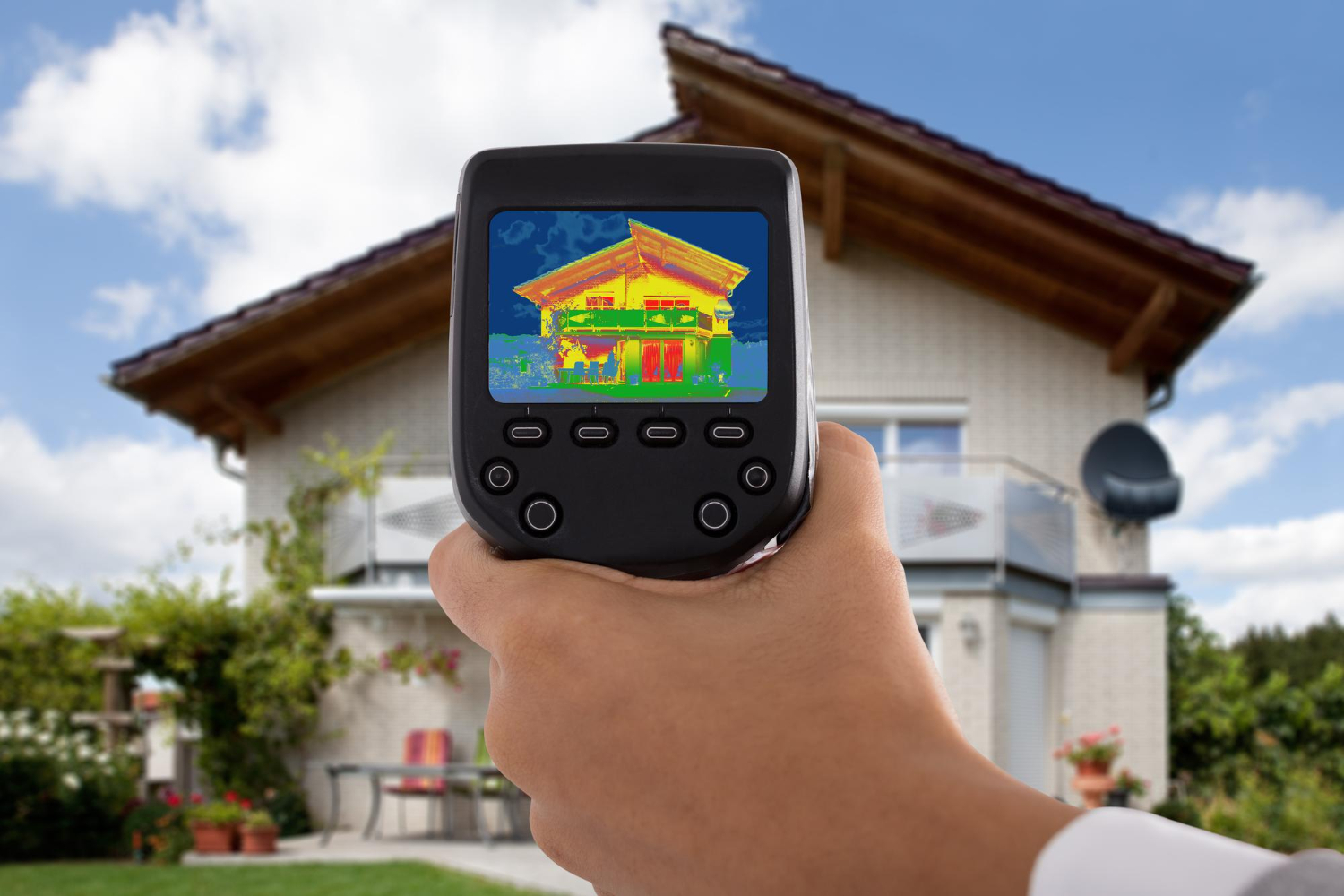
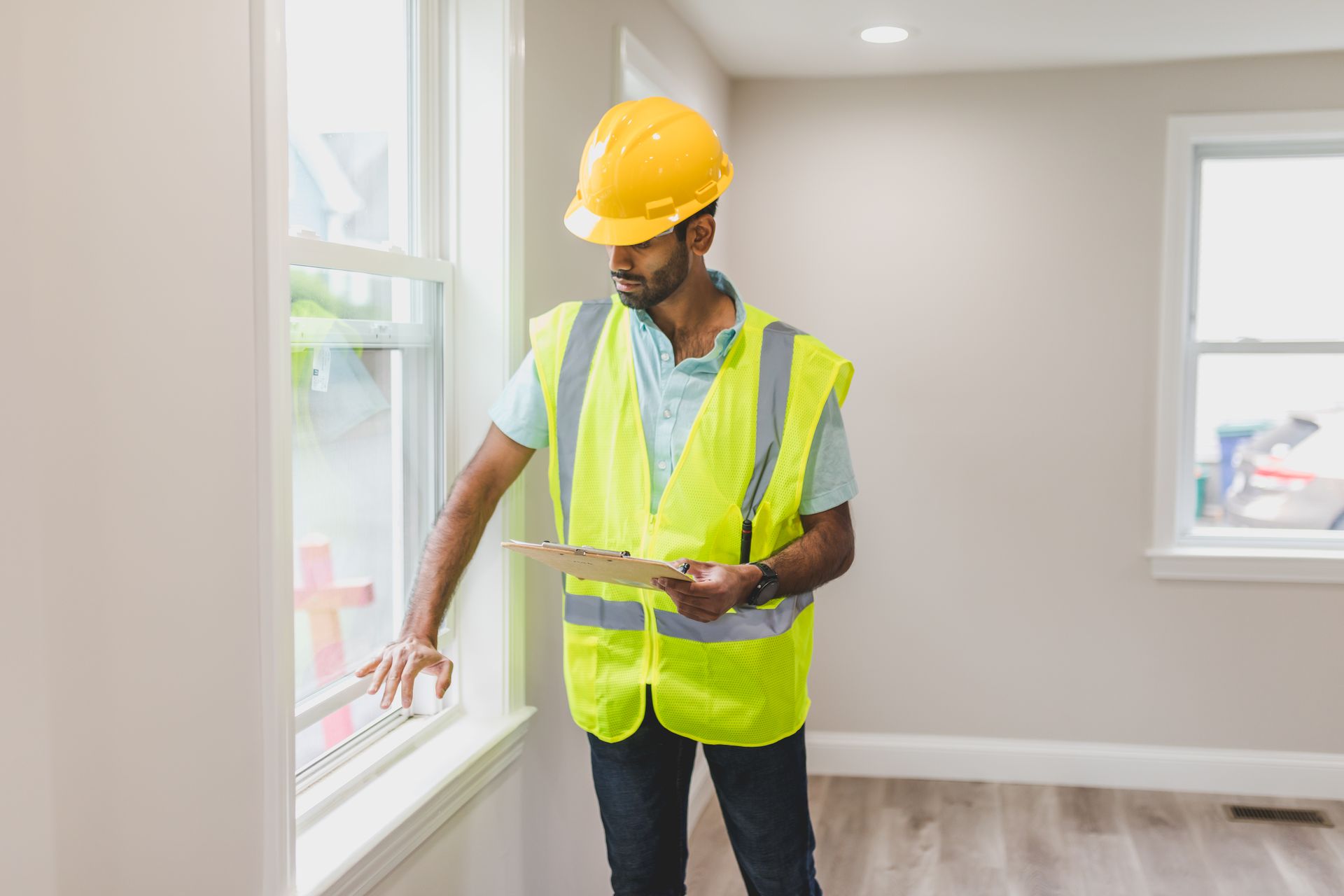
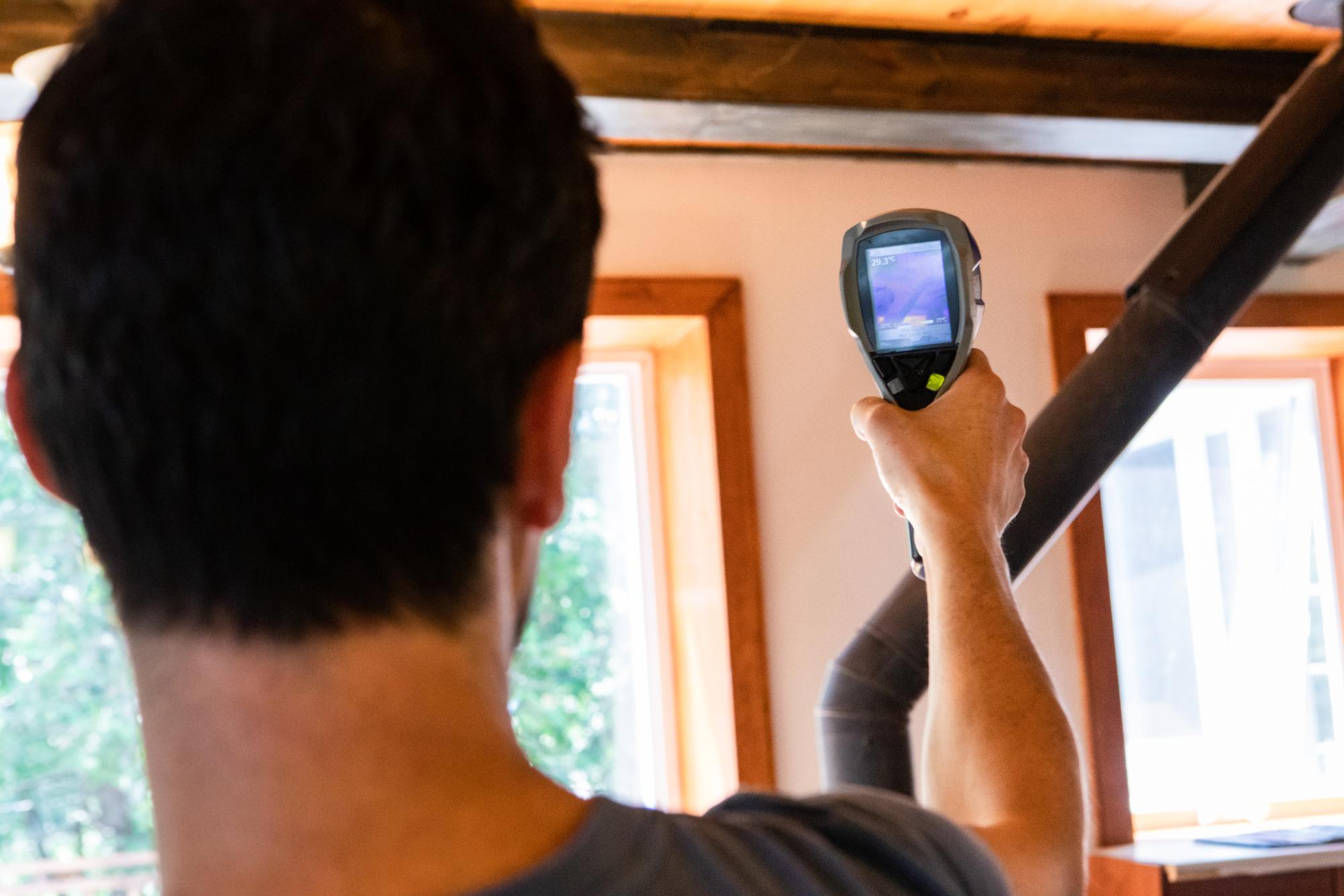
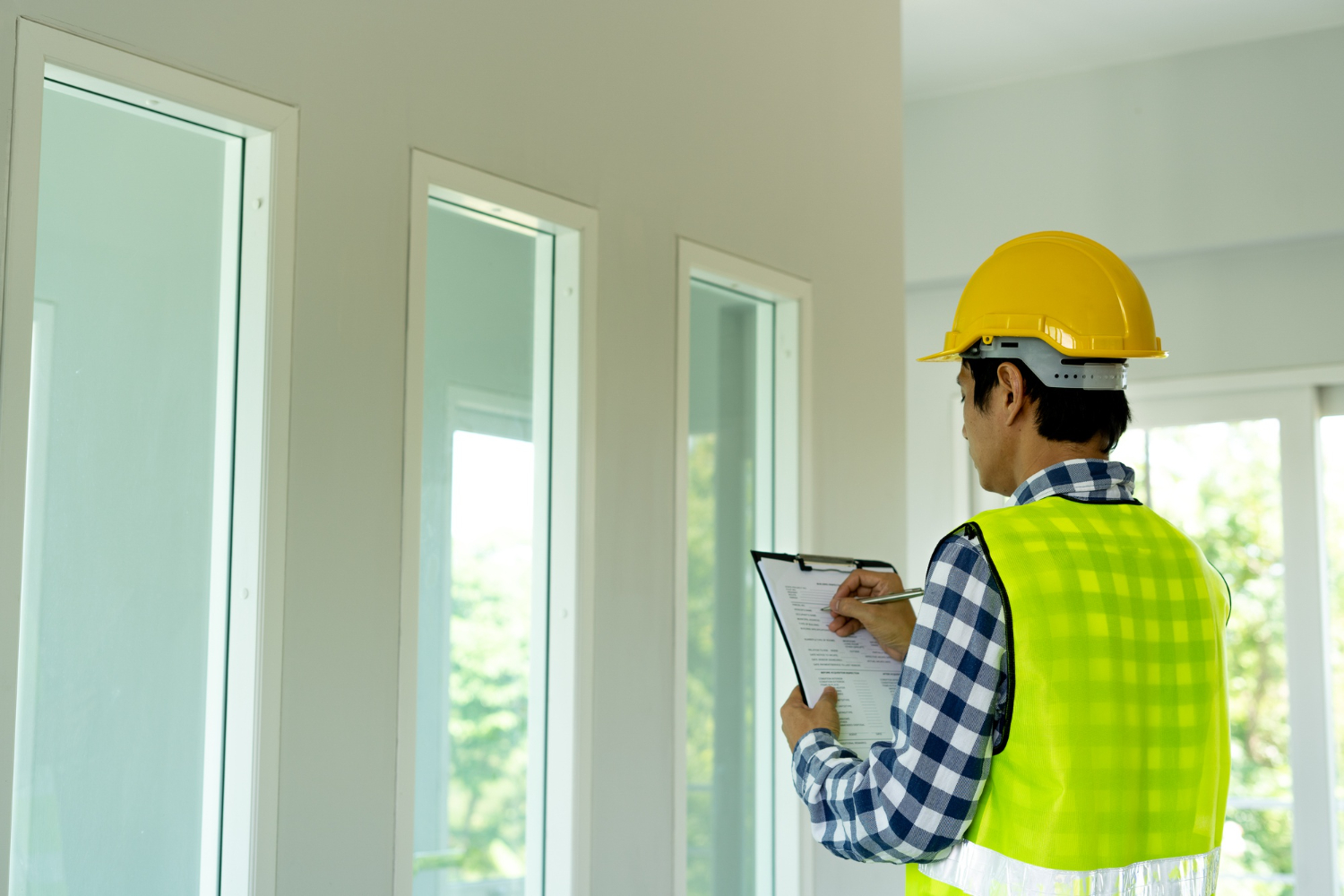
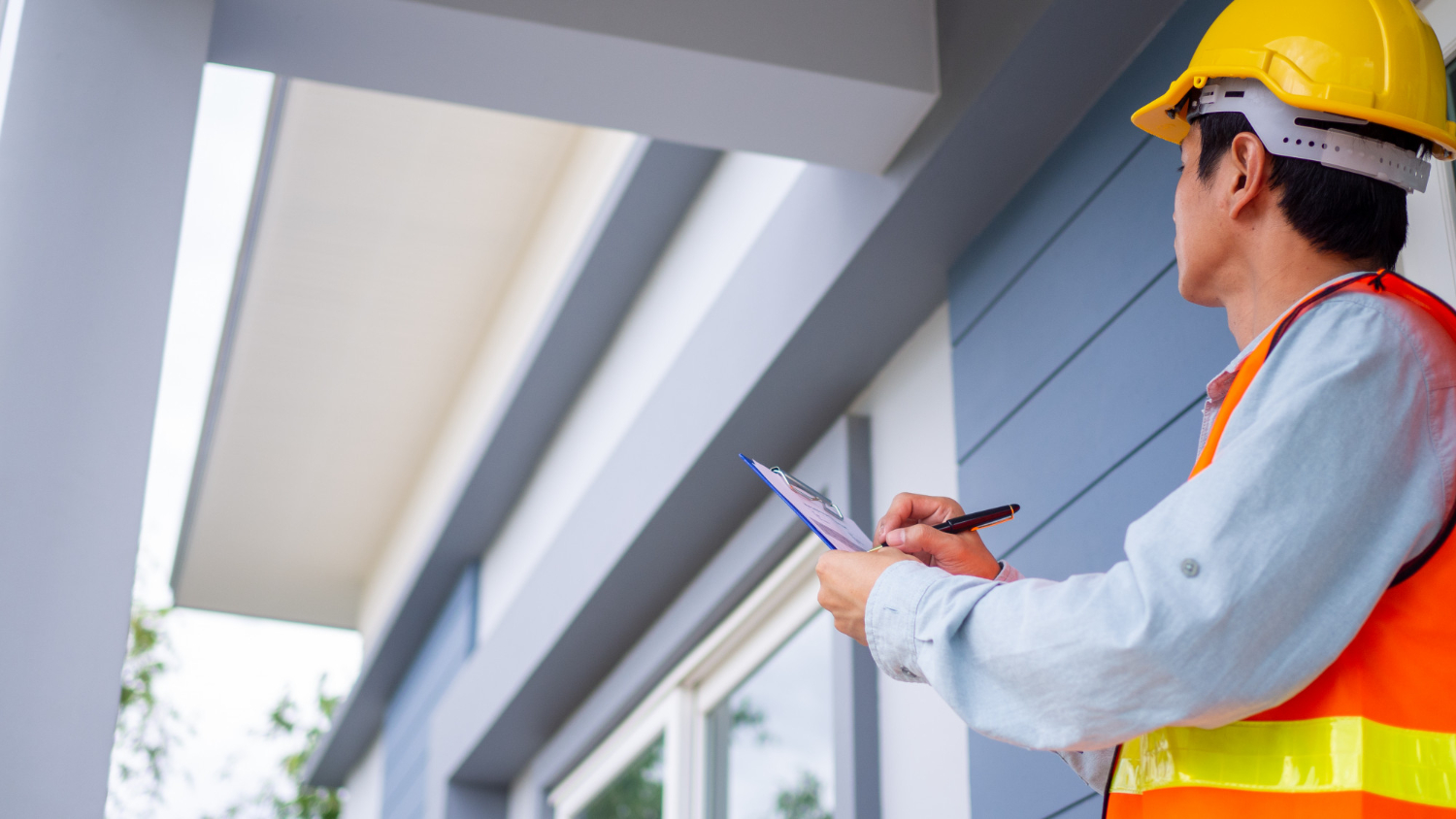
Our commercial inspections focus on the visible, accessible condition of a property. We look for observable defects, signs of deferred maintenance, safety concerns, and systems that may need closer review by a qualified specialist.
Depending on the property and agreed scope, a commercial property inspection in Warren may include visual observations of:
- Roof coverings and accessible roof components
- Exterior walls, foundations, visible structure, drainage, and parking surfaces
- Electrical panels, plumbing fixtures, visible piping, and HVAC equipment
- Interior finishes, ceilings, doors, windows, and accessible common areas
- Apparent life-safety features and other visible building conditions
The goal is practical information you can use before closing. Our report can help you identify items to discuss during negotiations, plan maintenance, request repairs, or arrange further evaluation.
Every inspection also has limits. We do not see behind walls, beneath floors, or inside sealed equipment. A standard commercial inspection is not destructive testing, an engineering analysis, a code compliance certification, or environmental testing. It also does not automatically include repair budgets or future replacement projections unless those services are specifically part of the written scope.
Property Condition Assessments Follow ASTM Standards
A property condition assessment, often called a PCA, is a separate due diligence product commonly requested by lenders, acquisition teams, and institutional investors. Many PCAs are prepared to follow ASTM E2018 standards, which create a more standardized process for documenting property condition.
PCA work often goes beyond a site visit. Depending on the agreed assignment, it may include document review, interviews with knowledgeable parties, review of available records, and a formal discussion of observed deficiencies. A PCA may also include opinions of probable costs for immediate repairs and replacement reserves.
The difference in PCA vs. building inspection is mostly about purpose and format. A commercial inspection is built around visible conditions and actionable findings. A PCA is generally broader and structured for acquisition or lending due diligence.
For clarity, we provide commercial building inspections. We do not represent our commercial inspection reports as ASTM-compliant PCA reports. If your lender requires an ASTM-style property condition assessment, it is wise to confirm that requirement early and arrange the separate report before your due diligence deadline.
Commercial Property Inspection Cost in Warren
Commercial property inspection cost depends on the property, not just its square footage. Commercial inspections are typically quoted based on the agreed scope and property details. A smaller but more complicated building may require more inspection time than a larger, straightforward property.
Several details can affect the final scope and fee:
- Total square footage, building count, and property layout
- Property age, occupancy, accessibility, and roof access
- Number and type of HVAC, electrical, plumbing, and other systems
- Specialized equipment, travel needs, report requirements, and turnaround time
- Requested add-on services or specialist coordination
A PCA is priced differently from a commercial inspection because it can require ASTM-driven reporting, document review, interviews, lender-required forms, and a deficiency cost table. That added work may make a full property condition assessment more involved than a visual building inspection.
Commercial building inspections are generally planned around the agreed scope, with adjustments for property details and inspection needs.
ASTM-style PCAs are custom quoted based on property details, ASTM scope, document review, and lender requirements.
Before comparing proposals, make sure each one identifies the systems being inspected, exclusions, report format, delivery timing, and any additional services.
Choose the Right Due Diligence for Your Deal
The right report depends on what you need to decide and who is involved in the transaction. A local buyer assessing visible building conditions, maintenance needs, and negotiation items may benefit from a commercial inspection. An owner-investor considering a retail, office, warehouse, or other commercial property may want a clear report that points out observable concerns before repair decisions are made.
On the other hand, a lender-financed acquisition, portfolio purchase, or institutional transaction may require a property condition assessment. In those situations, the lender or equity partner may expect standardized documentation and probable-cost estimates in a format that supports underwriting review.
Neither option replaces specialized evaluation when a concern is significant. Inspection findings may point you toward the right next professional, such as a roof consultant, HVAC contractor, structural engineer, electrician, environmental professional, or code specialist.
Before ordering due diligence, we recommend that you:
- Ask your lender which report standard is required
- Confirm whether a cost table or replacement reserve estimate is needed
- Verify the required delivery date and due diligence deadline
- Request a written scope that matches the building and transaction
- Plan for specialist follow-up if major concerns are found
Request the Right Scope Before You Commit
Strong due diligence starts with matching the report to the deal. A commercial inspection can provide a useful visual-condition report for a buyer’s decision-making, while a property condition assessment may be necessary when financing or institutional requirements call for ASTM-style documentation.
Before your inspection period ends, confirm the property type, accessible systems, reporting needs, and any lender requirements. In Southeast Michigan, assessing exterior conditions before winter can also help you address roof, drainage, pavement, and mechanical concerns while they are easier to evaluate.
Make Your Due Diligence Decision With Confidence
Michigans Choice can help clarify which assessment best fits your transaction, property goals, and documentation needs. For a detailed commercial property inspection in Warren, our team provides focused findings to support informed next steps. Contact us to discuss your property and request an inspection.