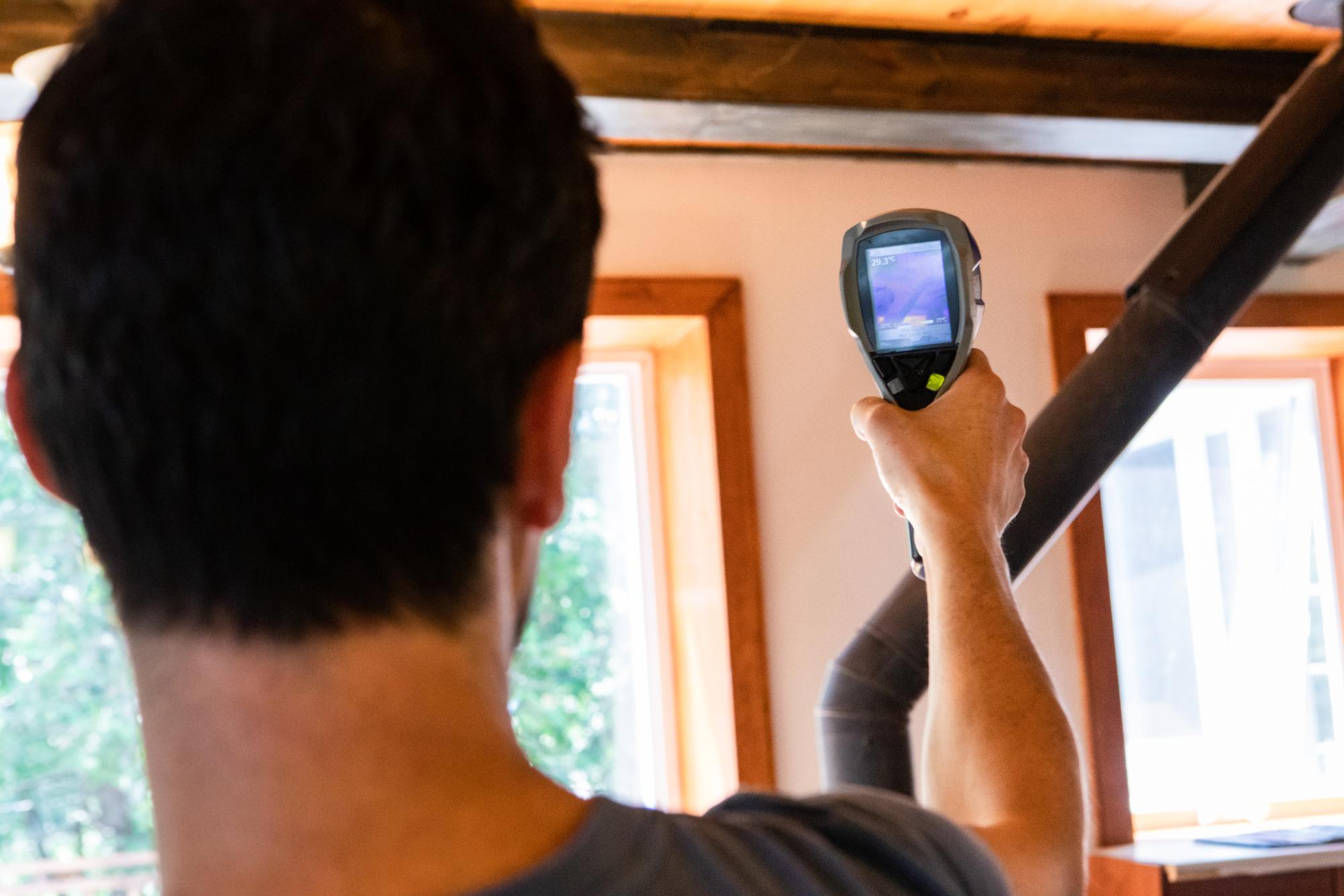

What Happens During a Home Inspection for First-Time Buyers
By Michigan’s choice, Michigan’s Choice
Walk Into Your First Inspection with Confidence
A home inspection is a learning opportunity, not a pass-or-fail test for the house. During a pre-purchase home inspection in Detroit, we help you understand the home’s visible condition, safety concerns, maintenance needs, and possible repair expenses before you finalize your purchase.
Most inspections take several hours, depending on the property’s size, age, condition, and accessible areas. Near the end, we typically share a verbal summary, followed by a detailed digital report with photos and observations. Michigan’s late-summer and early-fall weather can also reveal drainage concerns, roof wear, exterior deterioration, and HVAC performance before colder weather arrives.
Learn What Happens at a Home Inspection
When buyers ask what happens at a home inspection, we explain that we follow a system-by-system process. We usually begin outside, looking at observable conditions around the property, including the roof, gutters, grading, siding, foundation, driveway, decks, porches, windows, and signs of water intrusion or structural movement.
Inside, we review accessible areas such as walls, ceilings, floors, doors, windows, stairs, attic access, and visible insulation. We also look for moisture damage and safety concerns. Our focus is on observable defects, not paint colors, decorating choices, or other cosmetic preferences.
Major home systems receive attention as well, including:
- The electrical panel and visible wiring
- Plumbing fixtures, supply lines, and the water heater
- The furnace, air conditioning, and accessible ductwork
- Visible signs that a licensed specialist should evaluate further
Because an inspection is visual and non-invasive, we do not open walls, move heavy furniture, or promise that a system will never fail in the future. Instead, we give you a clearer picture of what is visible and what deserves closer attention.
Understand the Home System by System
Plumbing checks include sinks, toilets, tubs, showers, visible supply lines, drains, water pressure, and the water heater’s observable condition. For older Southeast Michigan homes, especially those with mature trees, a sewer scope can provide a closer look at the underground sewer line.
Electrical and HVAC observations are explained in plain language. We may note an outdated panel, missing safety protections, improper visible wiring, furnace concerns, cooling issues, or other signs that call for a licensed specialist. A finding does not always mean the deal is over. It means you have information to consider before moving forward.
Add-on services can also answer questions a standard inspection cannot fully address. Radon testing and mold inspections may be helpful when a home has a basement, moisture history, musty odors, visible staining, or similar risk factors. Our role is to provide unbiased inspection information, so you can make decisions based on what the property shows.
Attend the Walkthrough and Find Every Shutoff
Should I attend the home inspection? Yes, whenever possible, especially for the final walkthrough. Being there helps you see concerns in context instead of trying to understand photos and technical terms later.
The walkthrough is also where we can point out key features you may need to find quickly after moving in:
- Main water shutoff and gas shutoff
- Electrical panel and furnace filter
- Water heater controls and sump pump
- Attic access and exterior hose connections
Listen first, take notes, and save your questions for natural pauses or the walkthrough. Good questions to ask a home inspector include which issues involve safety, which repairs are urgent, what maintenance to plan for, and when a specialist should be involved. You do not need to follow us through every moment of the inspection. Giving us room to work helps us stay focused while still leaving time to explain what matters.
Use Your Report to Plan Smart Next Steps
Your report will usually include photos, descriptions of observed conditions, safety notes, maintenance recommendations, and items that may need repair or further evaluation. Even a well-kept home can have findings, particularly in older Detroit-area housing.
We recommend sorting the report into clear groups:
- Immediate safety concerns
- Major repair issues
- Specialist referrals
- Routine maintenance and monitoring items
A pre-purchase home inspection in Detroit can help you discuss repair requests, consider credits when appropriate, budget for future work, or decide whether the property remains a good fit. Still, a report cannot predict every future breakdown, provide repair quotes, confirm code compliance for every component, or replace an evaluation by a licensed contractor when specialized work is needed. Review it carefully with your agent and ask follow-up questions promptly.
Print Your Questions and Take Them Along
You do not need to understand every home system before the inspection. Your goal is to leave with a clear view of the property’s condition, immediate risks, and the responsibilities that come with ownership. Plan the inspection early enough in your due-diligence period to review findings and seek specialist evaluations without rushing.
Save or print these questions to ask a home inspector:
- What are the most important safety concerns you found today?
- Which issues need attention before I move in?
- Which repairs are major expenses, and which are routine maintenance?
- Where are the main water, gas, and electrical shutoffs?
- How old are the roof, furnace, AC, and water heater?
- Do you see water intrusion, drainage problems, or foundation movement?
- Should I order a sewer scope, radon test, or mold inspection?
- What should a licensed contractor evaluate further?
- Which items should I monitor after moving in?
Move Forward With Clear, Practical Insight
Michigans Choice provides a thorough pre-purchase home inspection in Detroit so you can better understand the property before closing. Our detailed findings help you prioritize repairs, budget for upcoming needs, and make decisions with greater confidence. When you are ready to discuss your inspection needs, contact us.