
11-Month Warranty Inspection Before Your Builder Coverage Expires
By Michigan’s choice, Michigan’s Choice
Protect Your New Home Before Builder Coverage Ends
A new home can look complete on move-in day and still develop problems after months of daily use. Small leaks, settling cracks, drainage concerns, or doors that stop closing properly may not show up during a final walk-through. A 12-month builder warranty gives you a limited window to document covered concerns before repair responsibility may shift to you.
That is why we recommend planning an 11-month warranty inspection before the deadline is close. This inspection gives you time to receive a written report, review the findings, submit concerns to your builder, and allow time for follow-up. It is not a sign that you distrust your builder. It is a practical quality-control step that creates an unbiased record of the home’s visible condition.
For Southeast Michigan homeowners who moved in last fall, early autumn can be a useful time to look back at the home’s first full cycle of weather. Winter cold, spring rain, summer heat, and regular HVAC use may reveal concerns that were not apparent right after construction.
An 11-Month Warranty Inspection Finds Issues in Time
An 11-month warranty inspection is a detailed review of accessible parts of your home near the end of the first year. We look for visible conditions that may have changed, settled, leaked, worn improperly, or failed to perform as expected during normal use.
The report can help you organize concerns for your builder. It may identify visible deficiencies, safety concerns, and maintenance-related observations that deserve attention. Not every finding will be covered, but clear documentation can help you communicate what you observed and when you observed it.
Builder warranties differ. Your agreement may have different deadlines, exclusions, and claim procedures for separate parts of the home. Before the inspection, we suggest reviewing your warranty documents and confirming the date coverage ends.
Waiting until the final days of month 12 can leave little room for questions or builder scheduling delays. Planning a builder warranty inspection during month 10 or 11 gives you time to:
- Read and understand the inspection report
- Ask us questions about visible findings
- Send a complete written repair request to the builder
- Keep records of the builder’s response and repair timeline
First-Year Use Can Reveal Hidden Construction Defects
Some construction concerns only become noticeable after the home has been lived in through changing temperatures and regular use. Materials expand and contract, the structure can settle, and water moves differently around the property after heavy rain or snowmelt.
Inside the home, we may find drywall cracks related to settling, uneven flooring, loose railings, sticking doors, trim gaps, damaged caulking, or windows that do not open, close, or lock properly. These conditions can be easy to overlook when you are busy unpacking and getting comfortable in a new space.
Mechanical and plumbing concerns can also take time to show themselves. Regular use may expose HVAC performance issues, leaking fixtures, slow drains, moisture near water lines or appliances, disconnected exhaust vents, or areas with insufficient visible insulation.
Outside, Southeast Michigan weather can bring drainage issues to the surface. We pay attention to conditions such as grading that appears to direct water toward the foundation, downspouts that discharge too close to the home, roof or flashing concerns, siding gaps, and exterior sealant failures. Basement moisture after spring rain or snowmelt is another concern worth documenting while warranty coverage may still apply.
A New Construction Home Inspection Reviews Key Systems
A professional new construction home inspection focuses on visible and accessible components. We are looking for material defects, safety concerns, and conditions that may need builder review or repair. Because walls, ceilings, and other enclosed areas cannot always be seen, an inspection cannot identify every possible issue. It can, however, provide a clear picture of what is visible at the time of the visit.
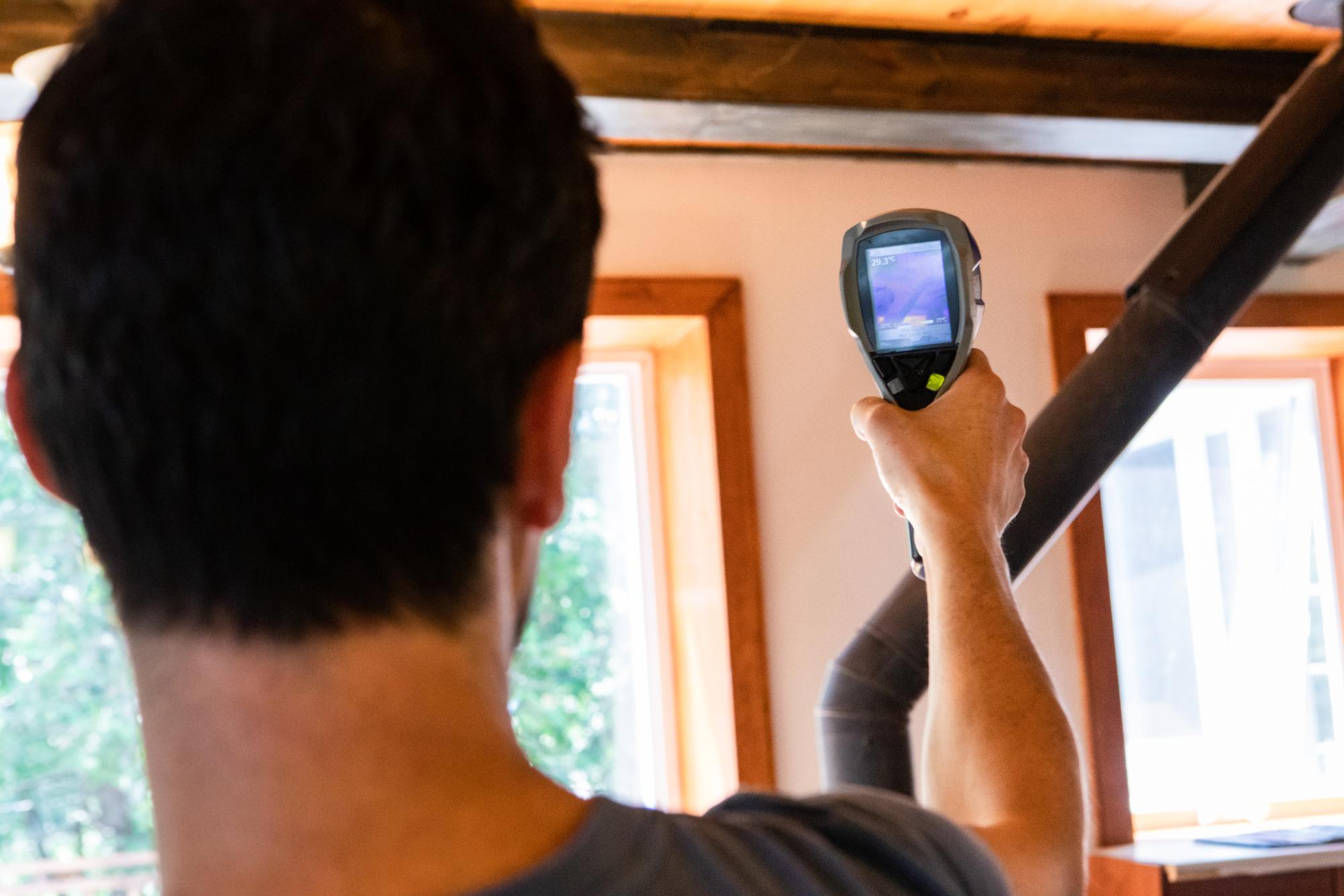
During an 11-month warranty inspection, we commonly review accessible areas such as the roof, exterior, foundation areas, grading, attic, insulation, interior rooms, windows, doors, electrical components, plumbing fixtures, HVAC systems, garage, and built-in appliances when applicable.
A first-year checklist often includes:
- Settlement cracks, trim gaps, and loose fixtures
- Signs of water intrusion, plumbing leaks, or drainage concerns
- Attic insulation and visible ventilation conditions
- HVAC operation, electrical concerns, and exhaust vent connections
- Door, window, roof, siding, and exterior sealant conditions
When conditions call for more information, we also provide radon testing, sewer line inspections, and mold inspections. These services may be helpful when there are slow drains, moisture evidence, drainage concerns, or questions about indoor air quality.
Your Builder Warranty Inspection Needs Careful Timing
The warranty start date is not always as simple as the day you moved in. Your builder agreement may base coverage on closing, occupancy, or another listed date. We recommend confirming that date early so you are not relying on a guess.
Plan your builder warranty inspection several weeks before the one-year anniversary, rather than in the final month. That cushion gives you time to receive the report, review each item, and follow the builder’s required process for repair requests.
It also helps to gather records before we arrive. Useful information may include:
- Your builder warranty booklet and closing paperwork
- Previous repair requests and builder responses
- Photos of recurring leaks, cracks, stains, or drainage problems
- Utility bills that raise questions about HVAC performance
- Notes about drafts, odors, slow drains, or window and door issues
After the inspection, review the report carefully. Separate likely warranty concerns from normal maintenance items, then submit repair requests in writing according to your builder’s instructions. Keep copies of all messages and ask for confirmation of repair timelines. Your builder’s written warranty governs whether an item is eligible for coverage.
Schedule Before Your Warranty Window Closes
The best time to identify possible construction concerns is while builder coverage may still apply, not after a repair becomes your responsibility. An 11-month warranty inspection gives you a clearer record of the home’s visible condition after its first year of use.
Keep your warranty deadline, inspection report, photos, and written builder correspondence together. With enough time before coverage ends, you can address concerns in an organized way and avoid the pressure of a last-minute warranty request.
Protect Your Warranty With Clear Documentation
At Michigans Choice, we help veterans understand the practical differences in a VA appraisal vs. inspection so they can prepare for the next stage of their purchase. Our home inspections provide an objective look at the property’s condition and help identify concerns that may affect your plans. To discuss scheduling an inspection, contact us today.