Understanding Home Inspection Costs in Southeast Michigan: What Homebuyers and Sellers Should Expect
By Michigan’s choice, Michigan’s Choice
Home inspections are an integral part of real estate transactions, providing a factual assessment of a property’s condition. Knowing inspection costs in Southeast Michigan helps buyers and sellers plan and budget. This guide explains typical fees, the factors that affect them—such as property size, age, and optional services like radon and sewer-line testing—and how inspection findings can influence negotiations. It is written for homebuyers, sellers, and property investors weighing the financial implications of inspections.
Key Takeaways
- Home inspection costs in Southeast Michigan typically range from $350 to $500 for residential properties.
- Inspection fees increase with larger property size and older home age due to complexity and potential issues.
- Commercial property inspections cost between $1,000 and $2,500, reflecting greater size and regulatory requirements.
- Environmental tests like radon and sewer line inspections add $100 to $300 to the total inspection cost.
- Radon testing is usually an additional service and is not included in standard home inspections.
- Inspection results can influence real estate negotiations by affecting purchase prices or repair requests.
- Understanding inspection costs helps buyers and sellers budget effectively and negotiate better terms.
- Key property features such as roofing, plumbing, and HVAC systems impact inspection pricing due to evaluation complexity.
What Are the Typical Home Inspection Costs in Southeast Michigan?
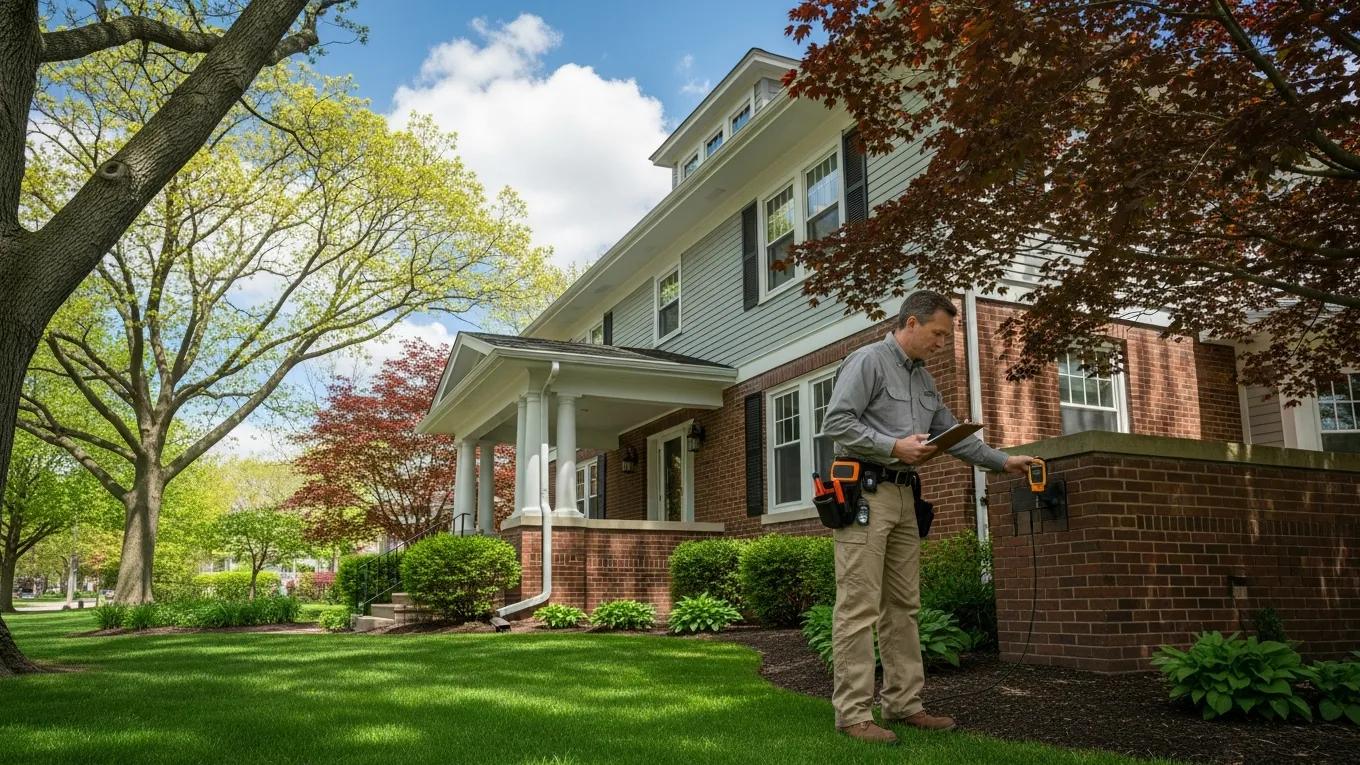
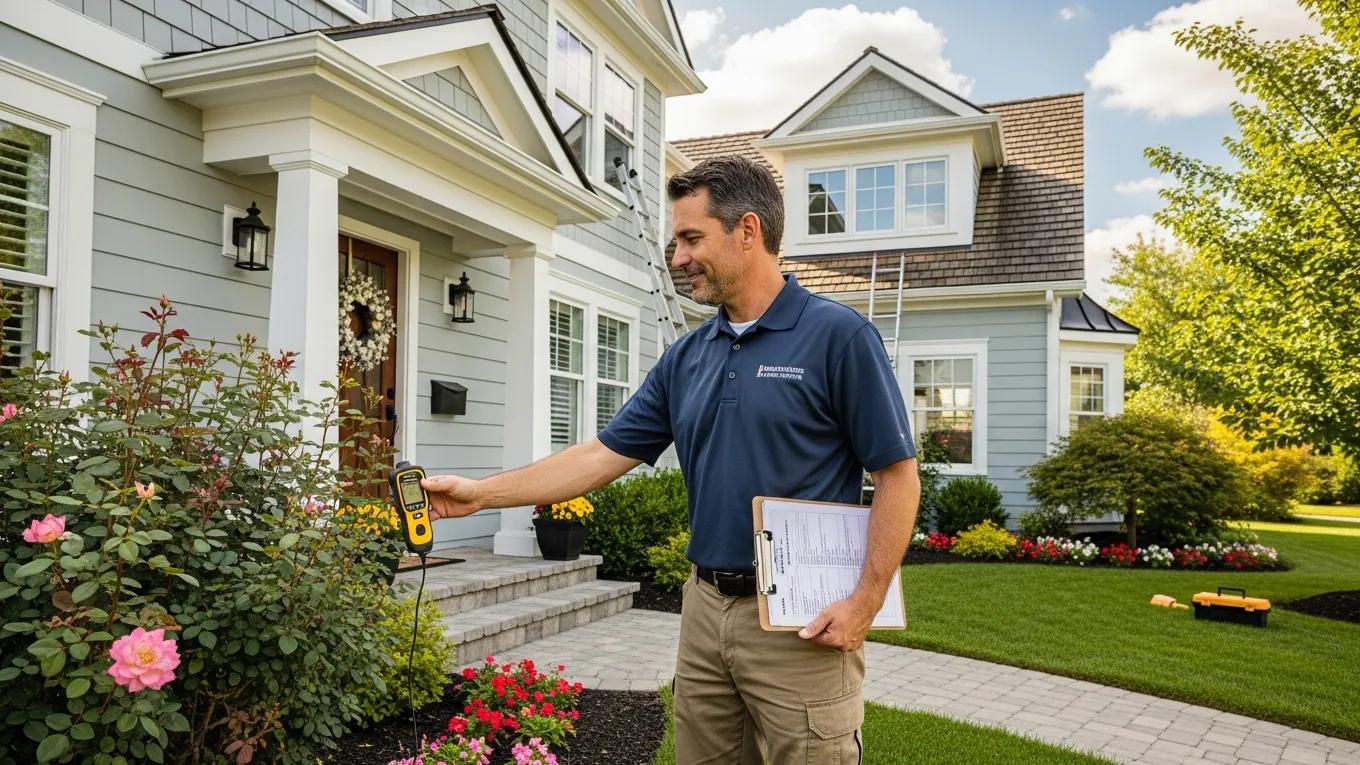
Residential home inspections in Southeast Michigan generally cost between $350 and $500. Prices vary by property size and the specific services requested, so these figures serve as a planning reference for transaction budgets.
Michigan’s Choice Inspection Services offers inspection packages for residential properties that provide thorough evaluations suited to each property’s characteristics.
What Is the Average Cost of a Residential Home Inspection in Michigan?
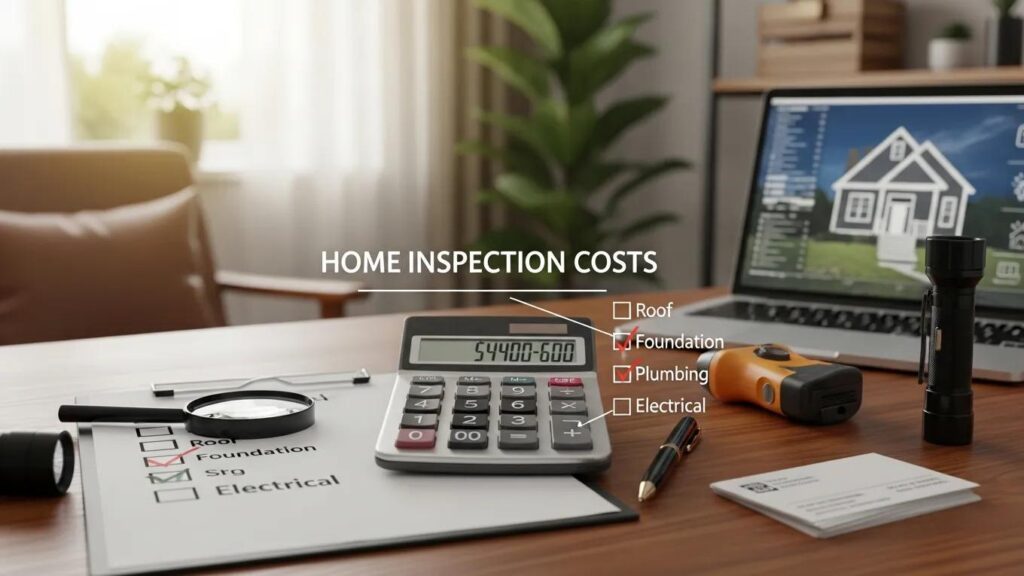
The average residential inspection in Michigan falls within the $350 to $500 range. The final fee depends on factors such as the home’s age, size, and condition; older properties typically require more detailed assessment due to aging systems.
How Do Costs Vary Between Different Property Sizes and Ages?
Property size and age directly affect inspection costs. Larger homes require more time and resources, which increases fees. Older homes often require additional evaluation of age-related issues—such as outdated electrical or plumbing systems—resulting in higher inspection charges.
How Do Commercial Property Inspection Rates Different from Residential Prices in Southeast Michigan?
Commercial inspection rates differ from residential prices because commercial evaluations address distinct requirements, including building-code compliance and tenant-safety considerations.
For details, review commercial property inspection services; these evaluations commonly examine structural and operational components relevant to commercial use.
What Is Included in a Commercial Property Inspection Service?

A commercial inspection typically examines HVAC, plumbing, roofing, electrical systems, and compliance with applicable safety regulations. A thorough assessment provides buyers with the information needed to make informed decisions about the property’s condition.
What Are the Average Commercial Inspection Fees in Michigan?
Commercial inspection fees in Michigan commonly range from $1,000 to $2,500, depending on property size, complexity, and inspection scope. Properties used for specialised operations, such as factories or restaurants, often require more extensive evaluation and higher fees.
What Factors Influence the Total Cost of a Home Inspection in Southeast Michigan?
Multiple factors affect the total inspection cost in Southeast Michigan. Understanding these elements enables buyers to budget appropriately and prepare for any additional evaluations that may be required.
How Do Property Features Like Roofing, Plumbing, and HVAC Affect Pricing?
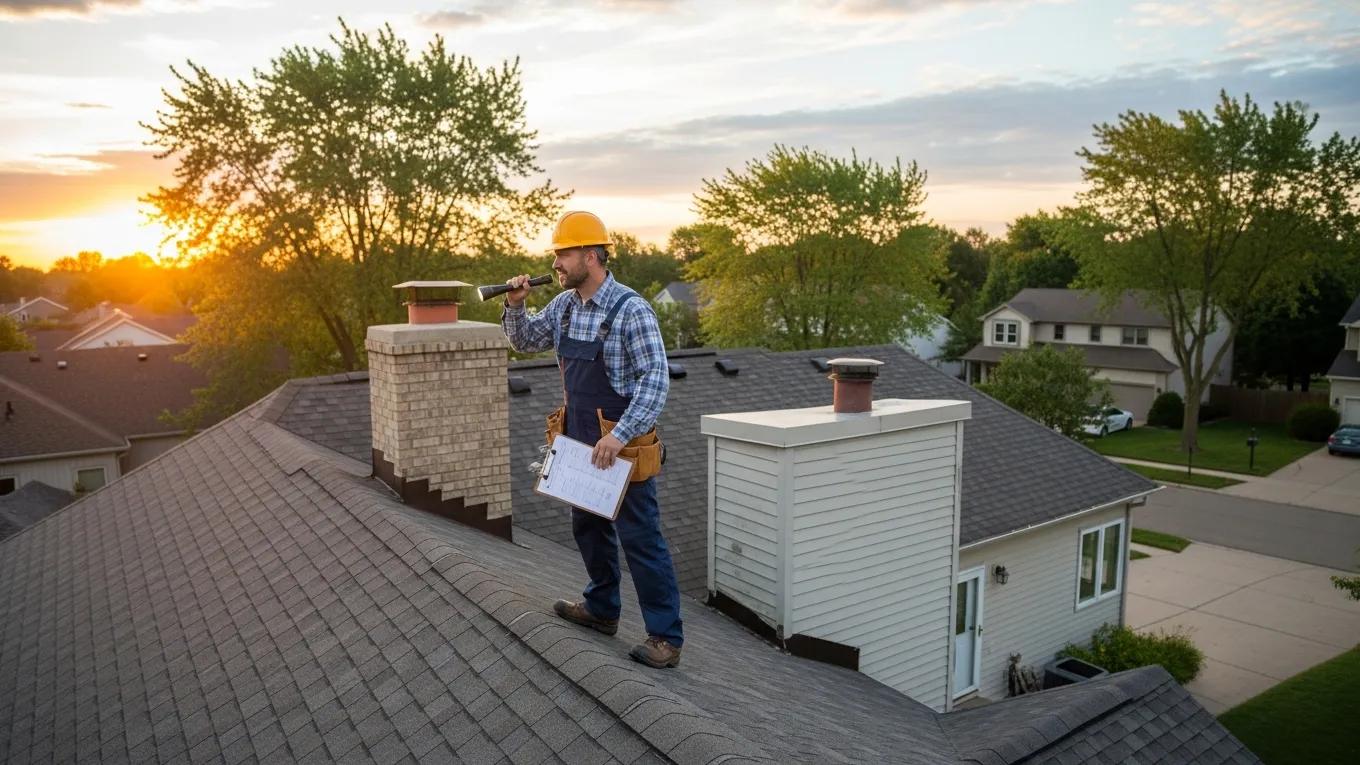
Specific property features influence pricing: complex roofing systems require more inspection time, and older or outdated plumbing and HVAC systems typically need closer examination, which raises costs. The condition of each system contributes to the overall fee.
When Does Inspection Scope or Environmental Testing Increase Costs?
Expanding the inspection scope increases costs. Environmental tests—for example, radon or lead screening—normally add $100 to $250 to the total inspection price. Clients who request additional testing should expect these added fees as part of a more extensive evaluation.
What Are the Costs and Benefits of Environmental Testing Including Radon in Southeast Michigan?
Environmental testing, including radon measurement, generally costs between $100 and $300 in Southeast Michigan. Because elevated radon levels present health risks in some areas, ordering these tests provides important information for buyers. For more information on radon testing, visit Michigan’s Choice Inspection Services.
Is Radon Testing Included in Standard Home Inspections or Charged Separately?
Radon testing is typically offered as an additional service and is not included in a standard home inspection. Buyers should request radon testing when scheduling if they want it performed.
How Does a Sewer Line Inspection Affect Overall Property Inspection Costs?
Sewer-line inspections confirm the operational status of a property’s plumbing and usually cost between $100 and $300, depending on system complexity. Knowing these costs can influence negotiation strategy during a transaction.
What Is the Typical Fee Range for Sewer Line Inspections?
Typical sewer-line inspection fees range from $100 to $300, reflecting property characteristics and the inspection methods used. These inspections are often advisable in older neighbourhoods where sewer issues may occur. For specific services, see sewer line inspections.
How Do Home Inspection Results Influence Real Estate Transactions and Negotiations?
Inspection results can affect transactions by prompting repairs, price adjustments, or delays. Both buyers and sellers should understand how to respond to findings to manage negotiations effectively.
How Can Inspection Reports Affect Purchase Prices or Repair Requests?
Inspection reports inform negotiation strategy by identifying defects. For example, a reported failing roof may lead a buyer to request repairs or to seek a price reduction. Sellers may address problems in advance to facilitate negotiations.
Why Is Understanding Inspection Costs Important for Property Buyers and Sellers?
Understanding inspection costs helps buyers and sellers plan budgets and strengthens their negotiating position. Familiarity with potential expenses supports informed decision-making and can lead to more favourable terms. For more information about the company performing these services, see the About Us page.
Frequently Asked Questions
How Do I Prepare for a Home Inspection?
Prepare by clearing access to major systems—such as HVAC units, water heaters, and electrical panels—and by providing maintenance records and repair disclosures. Buyers should compile questions or concerns to review with the inspector. These steps promote a more efficient and informative inspection.
What Should I Expect During the Inspection Process?
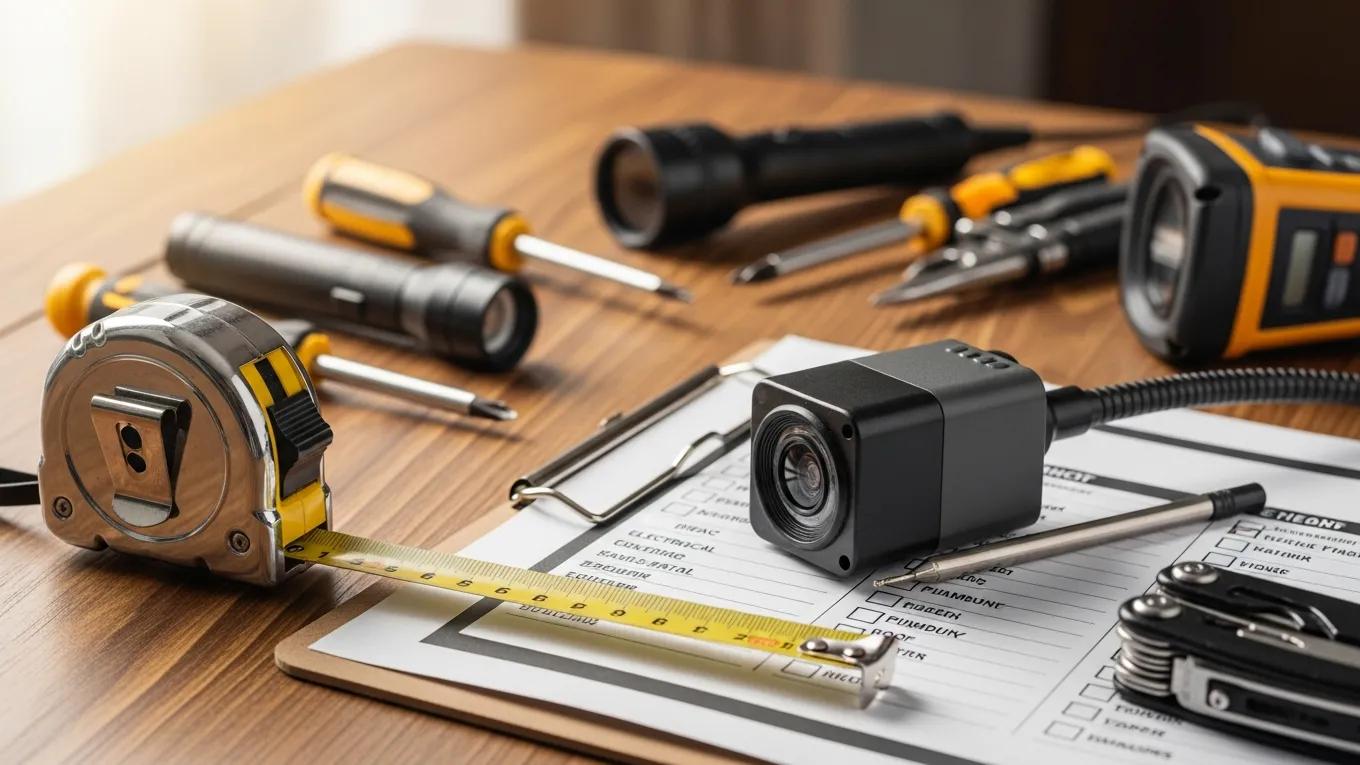
The inspector will evaluate the property’s structure, systems, and components, including the roof, foundation, plumbing, and electrical systems. Inspections typically last two to three hours, depending on property size. You will receive a detailed report with photographs and descriptions, and many inspectors will review findings on site.
Can a Home Inspection Affect My Mortgage Approval?
A home inspection does not usually determine mortgage approval, but it can influence financing. Significant defects may lead lenders to require repairs before closing or to reassess the loan amount. Buyers should consult their lender about how findings could affect their mortgage process.
What Happens If Major Issues Are Found During an Inspection?
If major issues are found, buyers may request repairs, negotiate a lower price, or withdraw from the transaction. It is advisable to consult a real estate agent for guidance on negotiation options and next steps.
How Long Does It Take to Receive the Inspection Report?
Most inspection reports are delivered within 24 to 48 hours after the inspection; some inspectors provide same-day reports for standard inspections. Reports include findings, photographs, and recommendations for repairs or further evaluation.
Are There Any Additional Costs After the Inspection?
Additional costs can arise after an inspection. Significant findings may require specialist follow-up inspections—such as pest, mold, or additional environmental testing—and repair work. Buyers should budget for potential post-inspection expenses.
Conclusion
Understanding home inspection costs in Southeast Michigan enables buyers and sellers to plan transactions with greater clarity. Factors such as property size, age, and specific inspection services directly affect expenses; informed budgeting supports stronger negotiation outcomes and helps manage risk. For further information on budgeting for inspections, contact us to discuss available services.