
What to Expect From a Residential Property Inspection: Key Insights for Buyers and Sellers
By Michigan’s choice, Michigan’s Choice
A residential property inspection documents a home’s condition for buyers and sellers. It identifies existing deficiencies, informs repair and negotiation decisions, and clarifies the status of major systems. Inspections can materially affect contract terms, repair planning, and buyer assessments. This article outlines the inspection stages, typical findings, preparation guidance, and inspected components, and notes the role of reputable providers such as Michigan’s Choice Inspection Services.
Key Takeaways
- Residential property inspections evaluate structural, electrical, plumbing, HVAC, and roofing conditions thoroughly.
- Common inspection findings include structural defects, outdated wiring, plumbing leaks, HVAC inefficiencies, and moisture issues.
- Buyers and sellers should prepare by ensuring accessibility and gathering previous inspection and maintenance documents.
- Effective communication with inspectors during walkthroughs improves understanding of inspection findings and outcomes.
- Environmental testing, including radon and mold assessments, is important for health and safety in Southeast Michigan homes.
- Specialized inspections like sewer line evaluations address specific concerns beyond general home inspections.
- Inspection reports document findings clearly and influence negotiation strategies and repair planning between buyers and sellers.
- Typical residential inspections last 2 to 4 hours and are usually paid for by the buyer.
Key Steps in the Inspection Process
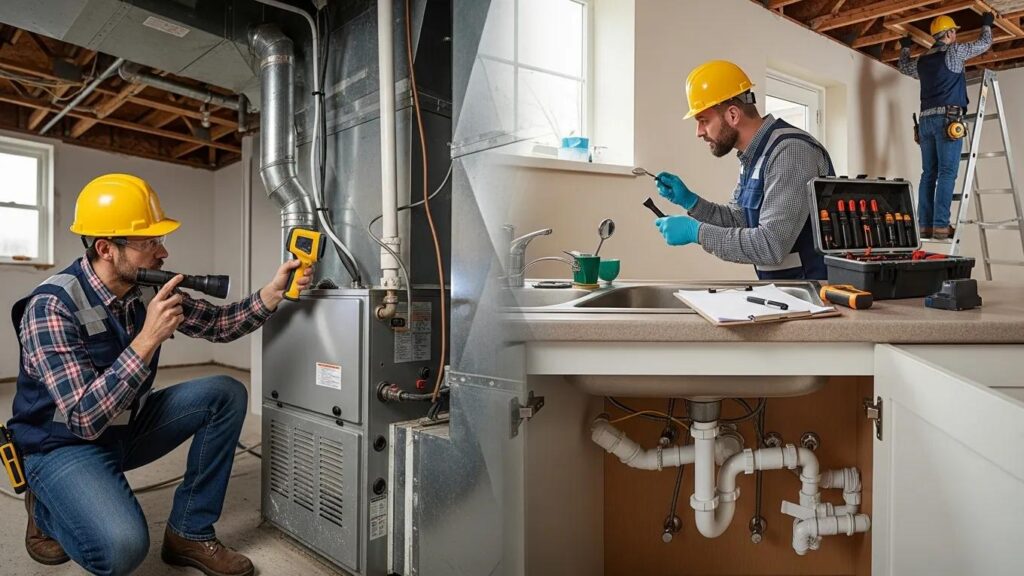
Inspections follow a standard sequence to assess the property’s condition. The primary stages include:
- Pre-Inspection Preparation: The inspector prepares by reviewing documentation and previous inspections.
- On-Site Comprehensive Evaluation: The inspector conducts a detailed examination of the property, assessing vital systems and structural components.
- Clear Documentation: After the inspection, the findings are documented in a detailed report.
- Post-Inspection Walkthrough: A walkthrough allows the inspector to discuss findings directly with the buyer or seller.
Following these stages helps buyers and homeowners understand the property’s condition and plan next steps.
Common Findings
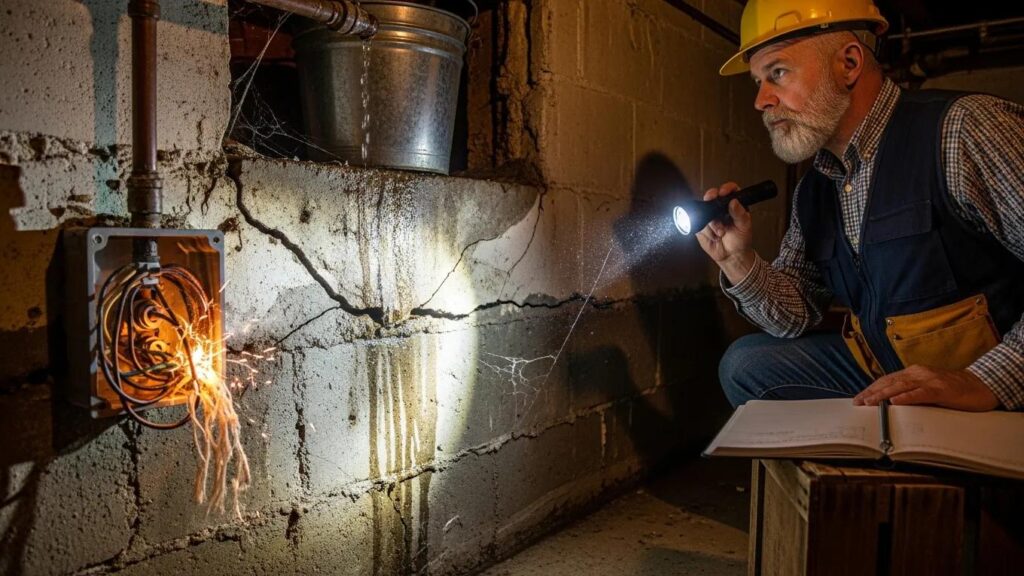
Inspections commonly identify issues that affect safety, function, and costs. Recognising these items helps parties anticipate necessary repairs or negotiation points.
- Structural Defects: Issues related to the foundation, walls, or roofing can undermine a property’s integrity.
- Outdated Electrical Systems: Wiring that fails to meet current safety standards can pose serious risks.
- Plumbing Leaks: Water damage from leaky pipes can lead to long-term issues and costly repairs.
- HVAC Inefficiencies: An inefficient heating and cooling system can affect energy costs and comfort.
- Moisture Issues: Signs of water infiltration can indicate more significant problems such as mold or structural damage.
These findings illustrate why inspections are relied upon for repair decisions and maintenance planning. Home inspections by Michigan’s Choice Inspection Services provide documented assessments and practical recommendations.
Best Practices for Preparation
Prepare the property ahead of the inspection to facilitate an efficient assessment and clear reporting.
- Ensure Accessibility: All areas of the property, including attics and basements, should be easily accessible to the inspector.
- Gather Documentation: Collect relevant documents such as previous inspection reports and maintenance records to assist the inspector.
- Understand the Report: Familiarize yourself with how the inspection report is structured to better comprehend potential findings.
These measures support an orderly inspection and clarify expectations for homeowners and buyers.
How Should Buyers and Sellers Prepare Before a Residential Property Inspection?
Proper preparation reduces delays and improves the quality of the inspection. The following steps help both buyers and sellers prepare effectively.
Ensure Accessibility
Allowing access to all areas enables a full evaluation. Ensure that inspectors can easily access:
- Unlock All Doors: This includes outside structures like sheds or garages that the inspector may need to evaluate.
- Clear Obstructions: Remove any furniture or items blocking access to key areas such as crawl spaces, attics, or mechanical systems.
Unrestricted access permits a complete assessment and aids identification of items that could affect the property’s value.
Gather Documentation
Providing relevant documents supports the inspection. Important documents include:
- Previous Inspection Reports: These can provide valuable insights for inspectors.
- Maintenance Records: Ensuring the inspector knows about repairs made can aid in understanding current conditions.
- Warranties: Relevant warranties for appliances or systems can play a role in inspection findings.
These records give inspectors context and improve the quality of their evaluations.
Common Concerns to Address
Addressing likely concerns prior to the inspection can reduce later disputes. Homeowners should consider:
- Structural Defects: Inspecting for visible damage can help prepare information for the inspector.
- Outdated Systems: Ensuring that you know the age and condition of key systems can influence the inspection outcome.
Taking these steps demonstrates diligence and helps the inspection proceed with fewer complications.
Effective Communication with the Inspector
Open engagement with the inspector improves understanding and outcomes. Key strategies include:
- Attend the Inspection: Being present allows for immediate clarification of findings.
- Ask Questions: Engaging actively with the inspector can provide immediate feedback and understanding regarding any issues uncovered.
Clear communication increases the practical value of inspection findings and supports informed decisions by buyers and sellers.
What Steps Are Involved in Scheduling and Preparing for the Inspection?
To schedule an inspection, contact Michigan’s Choice Inspection Services to arrange date and time. Allow sufficient time to prepare before the appointment. A typical inspection lasts about 2 to 4 hours, depending on property size and condition. Proper preparation helps avoid delays on inspection day.
Which Documents and Access Points Should Be Ready for Inspectors?
Having key documents available improves the inspection process. Important items include:
- Previous Reports: Ensure that any prior inspection reports are available to provide context for the inspector.
- Maintenance Records: Document all repairs or upgrades made to the property recently.
- Present Concerns: Inform the inspector of any specific issues or areas of concern that should be closely examined.
These preparations enable the inspector to provide detailed evaluations and targeted recommendations.
What Are the Key Components Assessed During a Residential Home Inspection?
Inspectors evaluate several primary systems and structures to determine the property’s condition. Core aspects include:
- Roofing Systems: Inspectors will check for visible damage, wear, and evidence of leaks in roofing materials.
- Foundation and Structure: Structural integrity assessments ensure that the property can withstand environmental stresses.
- Electrical and Plumbing Systems: These systems are evaluated for safety standards and operational effectiveness.
- HVAC and Insulation: Proper heating, ventilation, air conditioning systems, and insulation play vital roles in energy efficiency.
Familiarity with these components helps homeowners manage maintenance and maintain safe, functional properties.
What Structural Elements and Roofing Conditions Do Inspectors Review?
Reviewing structure and roofing helps identify major defects and water-infiltration risks. Key areas include:
- Roof Inspections: Inspectors review shingles, flashing, and drainage systems to prevent water damage.
- Foundation Conditions: Assessing for cracks, settlement issues, and moisture levels ensures safety and stability.
Such assessments are central to determining a property’s condition and should be completed with care.
How Are Electrical, Plumbing, and HVAC Systems Examined?
A full inspection of electrical, plumbing, and HVAC systems confirms safety and function. Inspectors will typically assess:
- Safety Evaluations: Inspectors check for outdated wiring or unsafe electrical installations.
- Efficiency Checks: Understanding how systems perform can indicate potential upgrades or necessary repairs.
These checks verify that systems operate safely and contribute to the home’s comfort and market value.
How Is Environmental Testing Included in a Home Inspection in Southeast Michigan?
Environmental testing is a standard component in this region. Consider radon testing, mold assessment, and other targeted evaluations to identify environmental hazards that could affect occupants’ health.
Why Is Radon Testing Important in This Region?
Radon testing is important in Southeast Michigan because exposure is associated with an increased risk of lung cancer. Testing supports early detection and mitigation when elevated levels are present. Include radon testing as part of a comprehensive inspection when appropriate.
Environmental concerns in building inspections have broadened beyond historical focuses on surface and subsurface contamination. Site assessment criteria originally emphasised external pollution sources, and indoor building materials received limited attention. Given the hazardous nature of many building materials, assessments now extend beyond asbestos to address hazards such as formaldehyde, lead-based paint, polychlorinated biphenyls, radon, and indoor air pollution. Regulatory standards are increasingly being revised to include building structures in response to recognised health impacts from indoor exposures, fires, spills, and related incidents. Research and updated guidance reflect this expanded scope of assessment. Environmental site assessments and audits: Building inspection requirements, 1994
Extended Scope of Building Inspections: Environmental Hazards and Regulatory Frameworks
Environmental site assessment criteria were initially established by organisations primarily focused on surface, subsurface, and pollution source contamination. Historically, many hazards associated with indoor environments and building structures were not encompassed in evaluations of environmental pollution sources. Given the potential hazardous nature of numerous building materials, thorough assessment is critical. Until recently, limited information existed regarding building inspection requirements for environmental concerns. Traditionally, asbestos constituted the primary area of concern. However, evolving environmental standards have significantly broadened the scope of building surveys. Current indoor environmental issues now include, for instance, formaldehyde, lead-based paint, polychlorinated biphenyls, radon, and indoor air pollution. Environmental regulations are being expanded and formulated to specifically incorporate building structures. These regulatory standards are driven by heightened awareness of health impacts from indoor exposure, fires, spills, and other incidents that have led to injury, fatalities, and financial losses. This article examines several assessment areas relevant to building structures.Environmental site assessments and audits: Building inspection requirements, 1994
What Should Clients Know About Moisture Intrusion Assessments?
Moisture intrusion assessments are important for evaluating a property’s vulnerability to water damage. Key points include:
- Early Identification of Issues: Detecting moisture problems early can prevent more extensive damage and costly repairs.
- Impact on Property Value: Moisture issues can significantly reduce property value and increase maintenance costs.
Homeowners should prioritise these assessments to limit damage and ongoing repair expenses.
What Specialized Inspections Support the Residential Property Evaluation?
Specialized inspections focus on specific concerns not always covered in a general inspection. Common types include radon testing, mold inspections, and sewer line inspections, which assess sewer system condition and function.
Engaging these assessments yields additional information about the property’s condition and supports informed decision-making.
When Are Sewer Line Inspections Recommended?
Sewer line inspections are advisable when indicators appear, such as frequent clogs or sewer backups. Identifying issues early can reduce the scope of repairs and limit health hazards. Proactive evaluation can prevent larger expenses later.
How Do Specialized Tests Complement the General Home Inspection?
Specialized tests complement general inspections by addressing particular concerns. They provide targeted evaluations that, combined with a general inspection, offer a more complete view of property condition.
What Happens After the Inspection: Reporting and Decision-Making for Buyers and Sellers?
After the inspection, buyers and sellers enter a reporting and decision phase that typically includes:
- Communication of Findings: The inspector’s report provides a comprehensive overview of all identified issues.
- Influence on Negotiations: Inspection findings can significantly affect negotiation strategies regarding repairs or price adjustments.
Understanding these steps helps buyers and sellers manage outcomes and plan appropriate responses.
How Are Inspection Findings Communicated and Documented?
Inspectors normally deliver detailed reports that document findings and often include photographs. Reports outline observed issues and recommended follow-up actions for repairs or further evaluation.
These documents support informed decision-making by providing a clear record of the property’s condition.
How Do Reports Influence Negotiations and Repair Planning?
Inspection reports are central to negotiation and repair planning. Key impacts include:
- Negotiation Strategies: Findings empower buyers to negotiate repairs or price reductions effectively.
- Repair Planning Based on Findings: Detailed insights can guide sellers in addressing issues prior to listings or negotiations.
Recognising how reports affect negotiations helps parties address repairs and pricing in a constructive manner.
How Long Does a Typical Residential Home Inspection Take and Who Pays for It?
Typically, a residential home inspection lasts between 2 to 4 hours, depending on the property’s size and complexity. Payment for the inspection is usually the buyer’s responsibility, which is an important aspect to keep in mind in the purchasing process.
In Southeast Michigan, choosing established providers such as Michigan’s Choice Inspection Services supports inspections that adhere to applicable standards and reporting practices.
Frequently Asked Questions
What Should Buyers Look For During a Home Inspection?
Buyers should observe signs of water damage such as stains on walls or ceilings, review the age and condition of major systems (HVAC, plumbing, appliances), and inspect exterior elements including roof condition and drainage. Monitoring these areas helps estimate likely repair needs and associated costs.
What Are Typical Costs Associated with Home Inspections?
Inspection fees vary by location, property size, and any additional testing required. Standard residential inspections typically range from $300 to $500. Additional services, such as radon or mold testing, will increase the total cost. Anticipating these expenses helps buyers budget appropriately for a full evaluation.
How Can Homeowners Resolve Issues Found During an Inspection?
After issues are identified, prioritise repairs according to safety and financial impact. Obtain multiple quotes from licensed contractors for significant work, address urgent items promptly, and retain documentation such as receipts and warranties. Regular preventative maintenance also reduces the likelihood of repeat problems.
What Is the Difference Between a Home Inspection and an Appraisal?
An inspection assesses the physical condition of the property and identifies defects or hazards. An appraisal estimates market value and is typically used by lenders to support loan decisions. Both provide distinct information that informs negotiation and purchase choices.
Are There Specific Times When a Home Inspection is Not Necessary?
There are circumstances where parties may waive an inspection, for example when a newly constructed property includes warranties or when recent, detailed inspection records exist. In competitive markets, buyers sometimes waive inspections to make offers more attractive; however, this increases the risk of undiscovered issues.
What Should Sellers Do After Receiving Their Inspection Report?
Sellers should review the report carefully, prioritise repairs, and collect repair estimates to determine what to address before listing. Transparent communication with prospective buyers about repairs performed or planned can aid negotiations and support a smoother sale process.
What Role Does Seasonal Maintenance Play in a Home's Condition?
Seasonal maintenance affects longevity and inspection outcomes. Regular tasks—gutter cleaning, HVAC service, and ensuring proper drainage—help prevent water damage and system inefficiencies. A seasonal checklist assists homeowners in meeting changing maintenance needs and supports the property’s condition over time.
Conclusion
Residential property inspections deliver detailed information about a home’s condition to support informed decisions by buyers and sellers. By identifying defects and maintenance needs, inspections inform repair planning and negotiations. Working with established inspection providers such as Michigan’s Choice clarifies issues and supports responsible property management. To arrange an inspection, contact Michigan’s Choice Inspection Services to schedule a professional assessment.