
Commercial vs Residential Inspections: Key Differences Explained for Property Buyers and Investors in Southeast Michigan
By Michigan’s choice, Michigan’s Choice
Property inspections involve distinct processes for homes and commercial buildings. Recognising the differences in scope, methods, and evaluated features helps buyers, sellers and investors make informed choices about purchases, maintenance and investments. This article outlines those differences, the role of environmental testing, the effect of inspection findings on negotiations, and what clients should expect from professional inspection services in Southeast Michigan. Readers will gain a clear view of how inspections affect property safety and value in the region.
Key Takeaways
- Commercial inspections cover broader systems and regulatory compliance compared to residential inspections.
- Residential inspections focus on structural, electrical, plumbing, and roofing systems for home safety.
- Commercial inspections assess complex building operations, including HVAC and fire code adherence.
- Environmental testing for radon, mold, and contaminants is vital for both property types in Southeast Michigan.
- Sewer and moisture inspections help prevent structural damage and maintain property functionality.
- Inspection reports influence negotiations by identifying repairs and informing pricing decisions.
- Professional inspection services provide detailed evaluations and clear communication for informed property transactions.
- Recent Michigan building codes require inspectors to ensure compliance with updated safety standards.
- Awareness of environmental risks and mitigation strategies supports long-term property safety and value.
What Are the Main Differences Between Commercial Property Inspections and Residential Home Inspections?
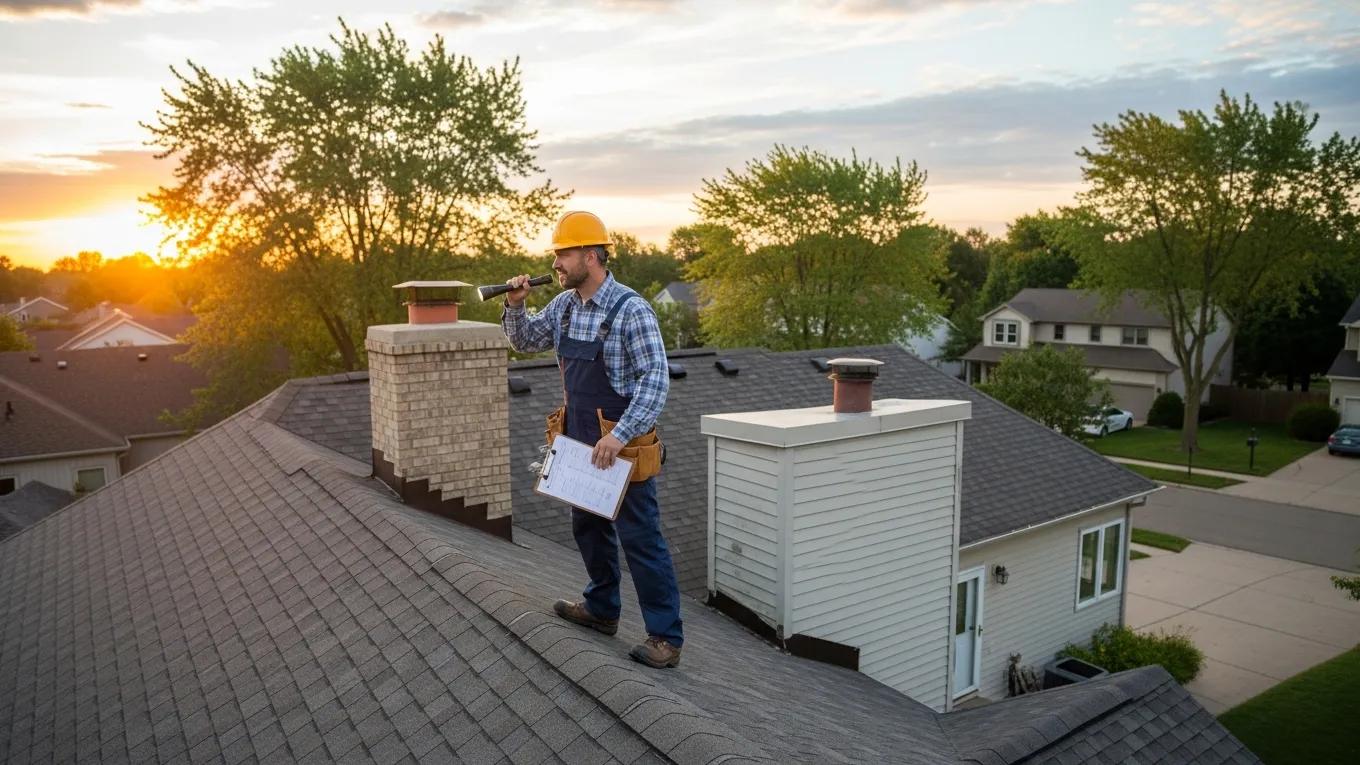
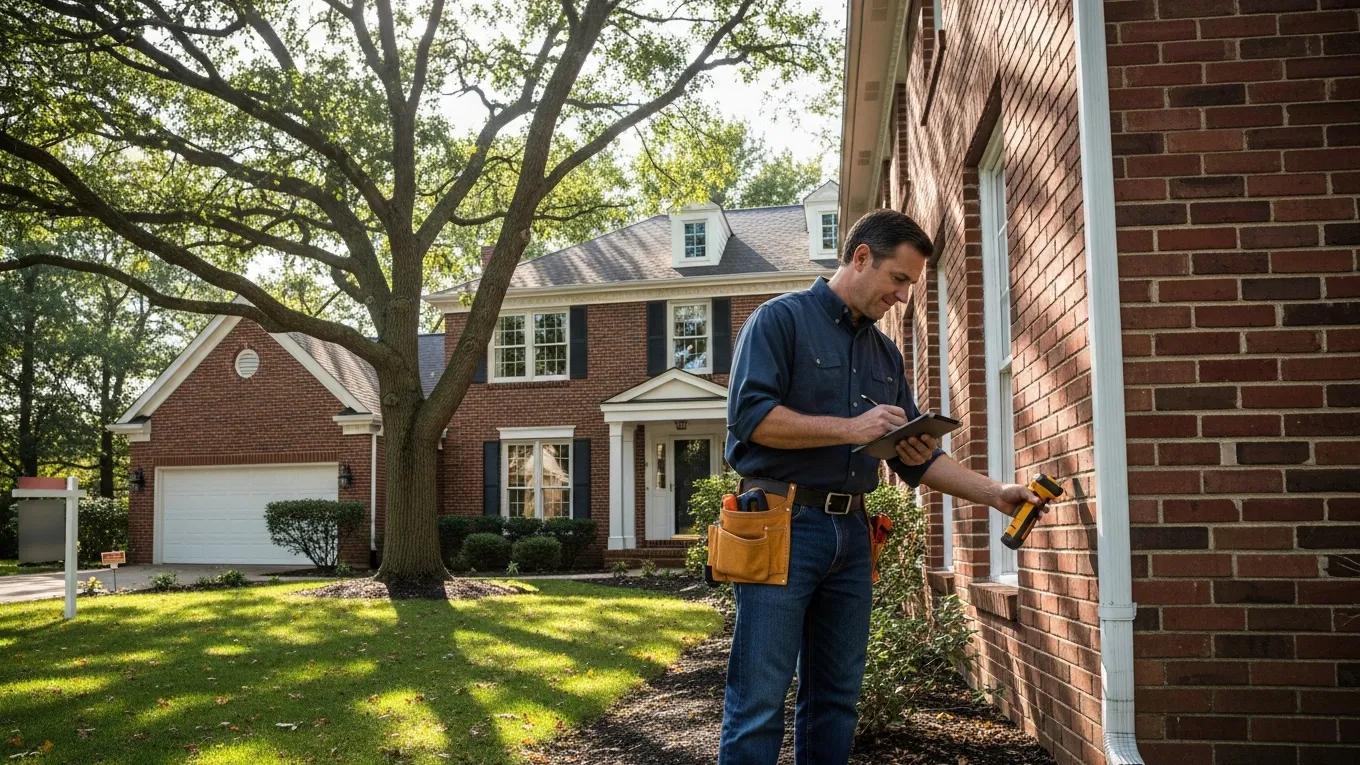
Commercial property inspections differ from residential inspections in complexity and breadth. Residential assessments typically concentrate on safety and habitability, while commercial evaluations must address a wider range of systems and regulatory requirements because of the varied uses of commercial buildings.
| Aspect | Residential Inspections | Commercial Inspections |
|---|---|---|
| Scope | Primarily focuses on structural, mechanical, and safety aspects of the home. | Encompasses a broader array of systems, including HVAC, electrical, plumbing, and compliance with local business regulations. |
| Evaluation Depth | Often straightforward, focusing on major issues affecting livability. | Involves thorough assessments of complex building systems, including operational efficiency and safety compliance. |
| Reporting Standards | Standardized reports specific to residential issues. | Detailed reports tailored to commercial compliance requirements and operational considerations. |
Michigan’s Choice Inspection Services, a local expert in Southeast Michigan, offers inspection services for both commercial and residential properties, ensuring evaluations align with applicable regulations and support informed decision-making.
Which Building Systems Are Evaluated in Residential Inspections?
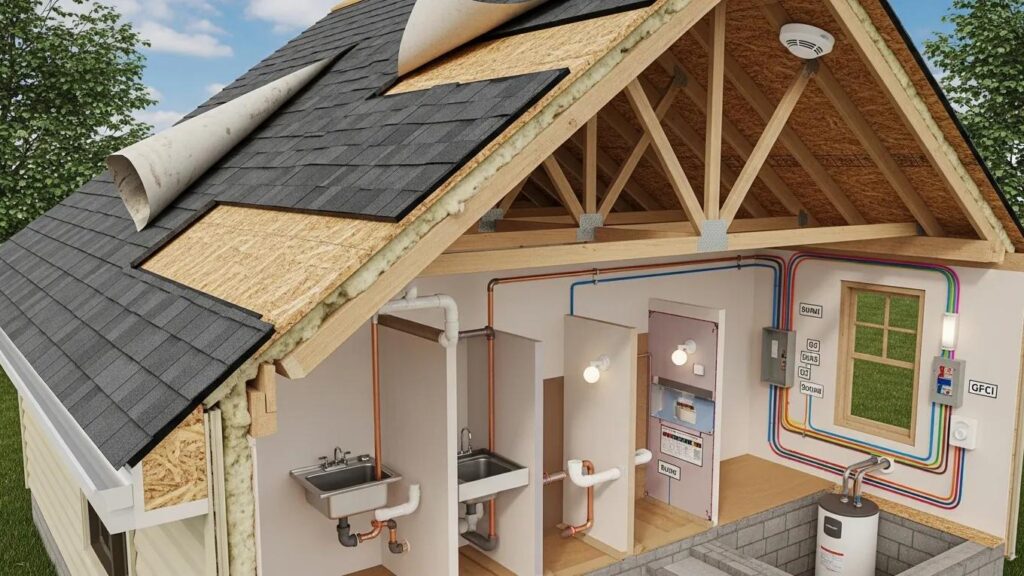
Residential inspections assess several primary building systems to confirm functionality and safety. Inspectors typically review:
- Roofing Systems: Condition of shingles, flashings and signs of leaks.
- Electrical Systems: Wiring condition, panel capacity and visible safety concerns.
- Plumbing Systems: Pipes, fixtures and drainage to detect leaks and malfunctions.
Inspectors evaluate these components to identify required repairs or maintenance and to inform buyers so they can negotiate or plan appropriate renovations before closing.
How Do Commercial Inspections Address More Complex Building Features?
Commercial inspections address complexities uncommon in typical homes. Larger systems, such as advanced HVAC, extensive electrical networks and sizable plumbing installations, require specialised knowledge and a more detailed assessment approach.
- Operational Considerations: Inspectors review how building systems interact to support safe, functional occupancy and business operations.
- Safety Regulations Compliance: Verification of adherence to fire, health and other regulatory standards is necessary for tenant safety and legal compliance.
Given these complexities, property owners should engage trained professionals such as Michigan’s Choice Inspection Services who specialize in commercial inspections to conduct detailed evaluations.
Why Is Environmental Testing Important in Both Residential and Commercial Inspections?
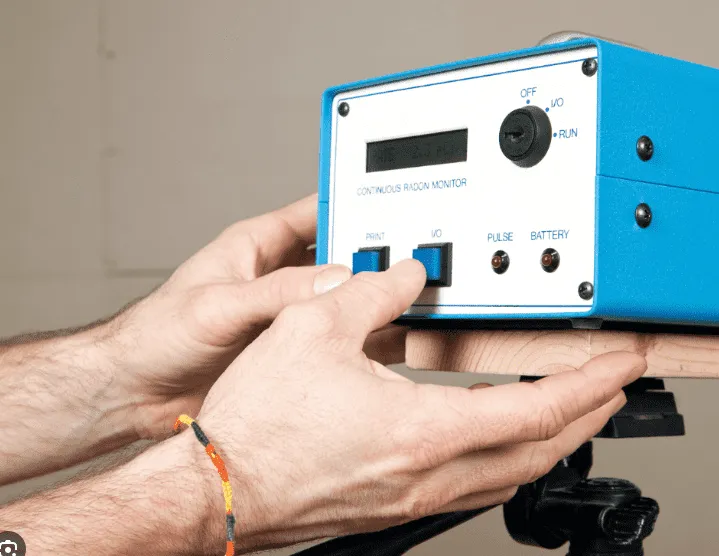
Environmental testing identifies hazards that affect health and property condition, including mold, radon and chemical contaminants. These assessments complement physical inspections by revealing risks not visible during a standard walkthrough.
Environmental issues can reduce property value and pose health risks to occupants, so including these tests in both residential and commercial evaluations supports more complete risk assessment.
How Does Radon Testing Impact Property Safety in Southeast Michigan?
Radon is a naturally occurring radioactive gas and a known health concern in Southeast Michigan. Prolonged exposure increases the risk of lung cancer. Proper radon testing identifies elevated levels so that mitigation steps can be planned before a transaction completes, informing owners and renters of the condition of the property.
What Role Do Sewer and Moisture Inspections Play in Property Assessments?
Sewer and moisture inspections detect problems that can lead to structural deterioration or operational failure. Typical findings include:
- Undetected Moisture Problems: Conditions that may encourage mold growth and compromise materials over time.
- Sewer Line Assessments: Blockages or failures that can interrupt building services and require repair.
Identifying these issues allows owners to plan necessary repairs and helps preserve the property’s condition and functionality.
How Do Inspections Inform Buyer, Seller, and Investor Decisions in Southeast Michigan?
Inspections provide an evidence-based review of a property’s condition that supports negotiation and transaction planning. Clear findings help buyers, sellers and investors assess liabilities and determine appropriate next steps.
What Repair or Maintenance Issues Are Typically Identified?
Common issues reported include:
- Structural Defects: Foundation or framing problems that affect building integrity.
- Electrical Malfunctions: Outdated or unsafe wiring presenting safety hazards.
- Plumbing Issues: Leaks or system failures that impair livability and function.
Early identification of these items can reduce unexpected expenses and enable focused negotiations based on documented conditions.
In What Ways Do Inspection Reports Influence Transaction Outcomes?
Inspection reports inform transaction decisions by presenting documented findings and recommended repairs. A detailed report can:
- Shift Negotiations: Findings may prompt requests for repairs or adjustments to price.
- Provide Leverage: Sellers with favourable reports can support their asking price.
- Inform Future Planning: Buyers can budget for anticipated repairs and maintenance after purchase.
For these reasons, parties should use inspection reports from reputable firms such as Michigan’s Choice Inspection Services to ensure transparent and well-documented transactions.
What Should Clients Expect From Professional Inspection Services in Taylor and Southeast Michigan?
Clients should expect methodical evaluations and timely, clear communication of findings. A qualified inspector will follow a structured process to assess residential and commercial properties and report on observed conditions.
How Do Michigan’s Choice Inspection Services Deliver Comprehensive Property Evaluations?
Michigan’s Choice Inspection Services employs a team with field experience that conducts examinations and provides clear reports. The process includes direct communication so clients understand the condition of the property and the implications of any findings.
Which Specialized Services Enhance Commercial and Residential Inspections?
In addition to standard inspections, specialised services offered by Michigan’s Choice Inspection Services include:
- Radon Testing: Essential for ensuring safe living conditions in residential areas.
- Sewer Line Inspections: Important for commercial properties to maintain functionality and compliance.
These services supplement standard evaluations and help buyers and sellers make better informed decisions.
What Are the Recent Regulatory Updates and Statistics Affecting Property Inspections in Michigan?
Recent regulatory changes affect inspection practices, particularly those related to safety standards and building codes. Inspectors must remain aware of these updates to apply the correct criteria during evaluations.
How Do New Building Codes Influence Commercial and Residential Inspections?
New building codes influence inspections by:
- Mandating Updated Standards: Requiring structures to meet revised safety criteria.
- Affecting Reporting Protocols: Requiring inspectors to document compliance with current codes, which alters how evaluations are recorded.
Inspectors therefore need to keep current with regulatory requirements for both residential and commercial properties.
What Current Trends About Environmental Risks Should Property Owners Know?
Environmental risks, including the effects of changing weather patterns, are increasingly relevant to property safety. Owners should note:
- Emerging Environmental Threats: Greater instances of flooding or weather-related damage that affect property condition.
- Mitigation Strategies: Regular environmental assessments and targeted repairs to reduce vulnerability.
Awareness of these trends enables owners to plan maintenance and mitigation measures that protect property condition and usability.
Frequently Asked Questions
1. What types of safety issues are commonly discovered during property inspections?
Inspections often reveal safety concerns that are not immediately visible. Common findings include electrical hazards such as outdated wiring or overloaded circuits that increase fire risk; plumbing faults like leaks or poor installations that cause water damage; and structural issues, especially in older buildings, such as foundation cracks or signs of settling. Documenting these matters allows buyers to request repairs or reconsider a purchase.
2. How does climate impact property inspections in Southeast Michigan?
Southeast Michigan’s seasonal climate affects property conditions and should be considered during inspections. Cold winters can contribute to ice dams and roof issues, while summer heat can stress HVAC systems. Heavy rains increase the risk of moisture intrusion and mould. Inspectors typically assess insulation, roofing and drainage to determine whether a property is prepared for seasonal variations.
3. What should be included in a detailed inspection report?
A detailed report should include a summary of findings, photographs that document issues, and a system-by-system breakdown of observations. It should list identified deficiencies, associated safety concerns and recommended repairs or maintenance. The report should also note any relevant building code compliance issues and documented environmental concerns to support informed decisions.
4. How often should property inspections be conducted?
Inspections are recommended before a property purchase and can be valuable for current owners on a periodic basis. A full inspection every few years helps confirm systems remain functional and identifies emerging problems early. Additional inspections are advisable after significant events such as severe weather or major renovations.
5. What are some red flags to watch for during a property inspection?
Red flags include visible water damage such as staining on walls or ceilings, which may indicate leaks; foundation or wall cracks that suggest settling or structural issues; and persistent, musty odours that can point to mould or pest issues. These signs often require further investigation and can lead to significant repair costs or health concerns.
6. Can environmental testing be excluded from a property inspection?
Some buyers may consider environmental testing optional, but it is strongly recommended. Hazards such as radon, mould or asbestos can present serious health risks and may not be detected in a standard inspection. Omitting these tests can expose owners to future liabilities and remediation costs, particularly in areas with known environmental concerns.
7. What qualifications should a property inspector have?
Inspectors should hold relevant certifications and training in building codes, safety standards and inspection methods. Many jurisdictions, including Michigan, require licensing for certain inspection types, which involves specific education and examinations. Experience across property types and positive client references also indicate reliable inspection practice.
Conclusion
Understanding the differences between commercial and residential inspections helps buyers and investors evaluate property condition and risk in Southeast Michigan. For a detailed evaluation of a property’s condition, contact Michigan’s Choice Inspection Services to arrange an inspection and receive a clear, documented report to support transaction decisions.